
Quick Summary
Island raised beef is worth it for buyers who value lean, earthy protein from traceable Hawaiian pastures, and who accept a higher price and different cooking needs. Its grass-fed diet gives a leaner fat profile than grain-fed beef, and the premium reflects slower growth and more land use.
- Grass-fed beef generally carries a leaner fat profile than grain-fed beef.
- Grass-fed cattle grow more slowly on pasture, which raises production costs.
- Confirm whether grass-fed claims cover the animal's whole life or only its finishing period.
- Pull grass-fed steaks from heat a few degrees early because lean beef dries out fast.
- Medium-rare to medium works best for most grass-fed cuts.
Table of Contents
- What Island-Raised Grass-Fed Beef Actually Means
- Grass-Fed Beef vs. Grain-Fed Beef: Where the Real Differences Are
- How Much Grass-Fed Beef Costs and Why the Price Is Higher
- How to Tell Whether Beef Is Truly Grass-Fed
- How Grass-Fed Beef Tastes and How to Cook It So It Stays Tender
- Who Island-Raised Beef Suits Best and What to Expect Before Ordering
- Ordering Island-Raised Beef From Makana Wild
- Frequently Asked Questions
What Island-Raised Grass-Fed Beef Actually Means
Last Updated: November 2, 2026
Island-raised grass-fed beef is island raised beef: cattle raised on Hawaii's pastures and fed primarily on grasses rather than grain through their lives. Island-raised beef reflects Hawaii's ranching heritage, and buyers can ask sellers how and where their beef was raised. Whether it's worth the premium depends on what you value most in your protein.
The phrase "grass-fed" gets used loosely, so it helps to know what it should mean. Grass-fed cattle eat forage through their lives, not just before slaughter. That distinction matters, and it's the first thing to check when you evaluate any label.
How Grass-Finished Differs From Grass-Fed
Grass-finished beef spends its final months on pasture, after time in a feedlot or on a different diet. Grass-fed beef stays on forage from start to finish. Many buyers miss this difference, and it changes what you're actually paying for. Ask whether the cattle were grass-fed from birth or only grass-finished before you assume the product matches your expectations.
Grass-Fed Beef vs. Grain-Fed Beef: Where the Real Differences Are
The clearest contrast is in diet and pace. Grain-fed cattle are typically fed corn or other grains in a feedlot to gain weight faster. Grass-fed cattle grow more slowly on pasture. Slower growth is one reason the two products taste and cook differently.
Grass-fed beef generally carries a leaner fat profile, while grain-fed beef tends to have more marbling. See which differences between the two feeding systems actually matter. Marbling drives tenderness and a buttery mouthfeel, which is why some shoppers prefer grain-fed cuts for steaks.
Decide what you're buying for. If you want lean protein with a more pronounced, earthier flavor, grass-fed is a strong fit. If you want rich marbling and a softer bite, grain-fed may suit you better.
How Much Grass-Fed Beef Costs and Why the Price Is Higher
Grass-fed beef usually costs more than conventional beef because raising cattle on pasture takes more land and more time. Read a fuller look at whether the premium is justified. Cattle that grow slower occupy pasture longer, and that adds to production costs.
Pricing depends on quantity, dates, and delivery. For current prices or a quote, check the Makana Wild website directly.
How to Tell Whether Beef Is Truly Grass-Fed
Start with the label, then verify. Terms like "grass-fed," "grass-finished," and "pasture-raised" are not always defined the same way, so read the fine print and ask the seller how the cattle were raised, where, and for how long.
A few checks help:
- Confirm whether the claim covers the animal's whole life or only its finishing period.
- Ask about the source farm or ranch and how traceable the product is.
- Look for third-party verification where it exists, and ask what the seller's process is.
How Grass-Fed Beef Tastes and How to Cook It So It Stays Tender
Grass-fed beef tends to taste more pronounced and earthy, and it cooks leaner. Because it has less intramuscular fat, it can dry out quickly if overcooked. Treat it with more care than a well-marbled grain-fed steak.
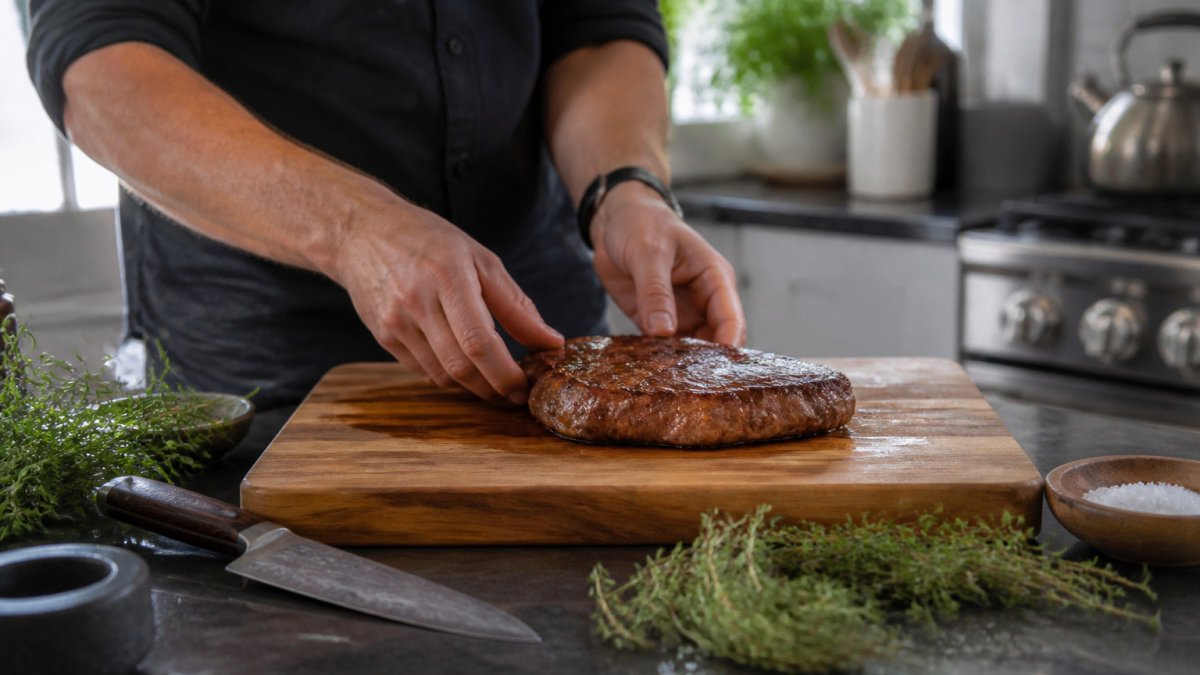
Pull steaks from the heat a few degrees before your target doneness and let them rest on a board for several minutes. Medium-rare to medium works best for most cuts. Slow, low-temperature cooking suits tougher cuts well.
!Home cook resting a seared grass-fed steak on a wooden board beside fresh herbs and a sharp knife in a bright kitchen
The cooking guidance is easier to follow at a glance, so here is a quick reference.
| Cooking point | Guidance | Why it matters |
|---|---|---|
| Pull from heat | A few degrees before target doneness | Lean beef can dry out fast |
| Resting time | Several minutes on a board | Keeps juices in the meat |
| Best doneness | Medium-rare to medium | Suits most cuts |
| Tougher cuts | Slow, low-temperature cooking | Breaks down connective tissue |
Who Island-Raised Beef Suits Best and What to Expect Before Ordering
Island-raised grass-fed beef suits buyers who care about where their food comes from, want lean and nutrient-focused protein, and are willing to pay a premium for a traceable product. Read the health and ethical reasoning behind choosing hormone-free beef. It also suits gift-givers and visitors who want something distinctly Hawaiian.
Expect a different eating experience than conventional beef. Adjust your cooking method and temperature, and plan for a product that rewards careful preparation.
Ordering Island-Raised Beef From Makana Wild
Makana Wild offers island-raised beef alongside wild-harvested venison, all ethically sourced and free from antibiotics, hormones, and pesticides. If you're comparing options, browse our island-raised grass-fed beef options to see what's available and how ordering works before you decide.
Frequently Asked Questions
What does island-raised, grass-fed beef mean?
Island-raised, grass-fed beef comes from cattle that graze on pasture for their lives, or at least for the period that defines the term, on ranch land in Hawaii rather than being moved to a feedlot. Grass-fed means the diet is primarily forage such as grasses and legumes. Island-raised means the animals are born and raised on the islands, which keeps the supply chain local and ties the product to the ranching heritage of the region. Buyers should check whether a label specifies grass-finished, since that term indicates the animal was finished on grass rather than grain before slaughter.
Is grass-fed beef healthier than grain-fed beef?
Grass-fed beef generally has a fatty acid profile that differs from grain-fed beef, with higher levels of omega-3 fatty acids and conjugated linoleic acid, and it typically contains less total fat. Those differences are real but modest, and beef remains a source of protein, iron, zinc and vitamin B12 regardless of how it was raised. Grass-fed beef is not a substitute for a varied diet, and the overall health effect depends on the rest of what you eat. The USDA National Nutrient Database lists the composition of specific cuts if you want exact figures.
How can you tell whether beef is truly grass-fed?
Look for specific wording on the label rather than general terms like natural or farm-raised, which carry no grass-feeding requirement. Terms such as grass-fed and grass-finished have defined meanings, and third-party certifications such as the American Grassfed Association program add audit requirements. Ask the seller how animals were fed, where they were raised and how they are verified, and whether the product is hormone-free and antibiotic-free. A reputable producer will answer these questions in writing.
Is grass-fed beef worth the higher price?
Grass-fed beef usually costs more than grain-fed beef because cattle take longer to reach market weight on pasture, and smaller herds and additional processing raise per-pound costs. Whether it is worth the premium depends on what you value: the nutrient profile, the production practices, or the flavor. Pricing varies with cut, quantity, delivery and season, so check Makana Wild's website for current prices or a quote rather than relying on general estimates.