
Table of Contents
- What Grass-Fed and Grain-Fed Beef Actually Are
- Grass-Fed vs Grain-Fed Beef Nutrition: The Real Differences
- Grass-Fed Beef vs Grain-Fed Beef Taste and Tenderness
- Grass-Fed Beef vs Grain-Fed Beef Cost: What You'll Actually Pay
- Grass-Fed Beef Cooking Tips and Techniques
- Environmental Impact and Labeling Standards
- How to Choose: What the Labels Really Mean
- Frequently Asked Questions
Last Updated: October 16, 2026
What Grass-Fed and Grain-Fed Beef Actually Are
Understanding grass-fed vs grain-fed beef starts with diet. Grass-fed beef comes from cattle that eat grass and forage on pasture; grain-fed beef comes from cattle that eat corn, soy, and other grains, typically in feedlots.
Labeling can be confusing. At Makana Wild, we source beef that aligns with our commitment to ethical, sustainable practices.
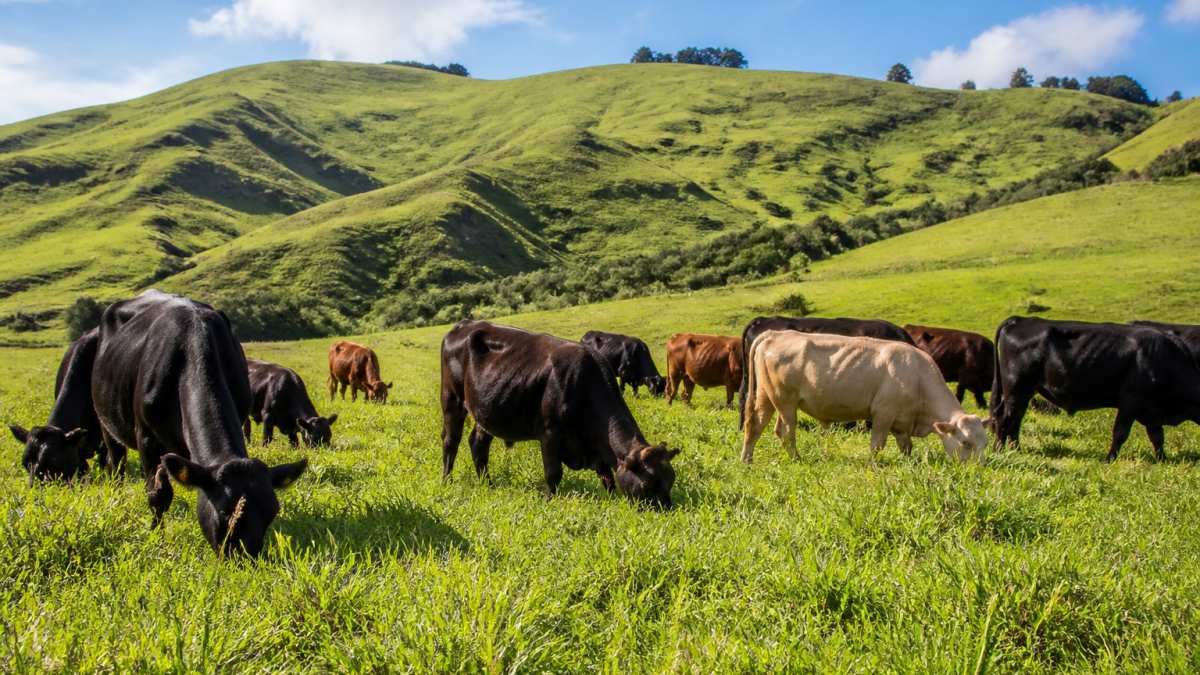
Grass-Fed and Grass-Finished Cattle
Grass-fed cattle spend most or all of their lives on pasture, eating grass, clover, and other plants. In grass-finished systems, they never transition to grain. Rotating pastures can improve soil health and reduce the need for chemical fertilizers.
Grass-finished beef takes longer to produce because cattle gain weight more slowly on grass, raising costs for ranchers and prices for consumers. The meat is leaner, since cattle build less intramuscular fat on a grass diet.
Grain-Fed and Grain-Finished Cattle
Grain-fed cattle typically start on pasture as calves, then move to feedlots where corn and soy help them gain weight faster, reaching market weight sooner than grass-finished cattle.
Grain finishing produces more marbling, the white fat running through the meat, which melts during cooking for a richer taste and more tender feel. Faster growth also means lower production costs, so grain-fed beef typically costs less.
Grass-Fed vs Grain-Fed Beef Nutrition: The Real Differences
The nutritional differences between grass-fed and grain-fed beef are real, though smaller than marketing suggests. Both are excellent protein sources with iron, zinc, and B vitamins. The differences lie in fat composition and micronutrients.
Grass-fed beef contains higher levels of omega-3 fatty acids and more conjugated linoleic acid (CLA), a fat some research suggests may have health benefits (pubmed.ncbi.nlm.nih.gov).
The practical difference? If you eat fish, nuts, and seeds, the omega-3 advantage of grass-fed beef is modest. If beef is your primary protein source, it becomes more meaningful.
Grass-fed beef is also typically leaner, meaning fewer calories per serving.
Grass-Fed Beef vs Grain-Fed Beef Taste and Tenderness
Taste differences between grass-fed and grain-fed beef are noticeable and consistent. Grass-fed beef has a stronger, more mineral-forward flavor, sometimes called "beefy" or slightly gamey.
Tenderness favors grain-fed beef in most cuts. Its higher intramuscular fat makes it forgiving to cook and juicy even if slightly overcooked.
Juiciness is where marbling matters most. Grain-fed beef feels juicier thanks to its fat; grass-fed beef can feel drier, especially lean cuts like sirloin or round.
The choice comes down to preference. If you love rich, buttery beef that's hard to overcook, grain-fed wins.
Grass-Fed Beef vs Grain-Fed Beef Cost: What You'll Actually Pay
Most comparisons skip price, but the premium is the biggest practical difference for a shopper deciding between the two at the meat case.
Why Grass-Fed Costs More
The premium comes from three structural costs:
- Time. Grass-finished cattle gain weight more slowly and reach market weight at an older age than grain-finished cattle, so the producer carries feed, land, and labor costs for longer per animal.
- Land and management. Pasture-based systems need more acres per animal, and rotational grazing requires fencing, water, and labor to move herds on a schedule.
- Scale. Feedlot finishing is a high-volume, standardized system. Pasture finishing is more variable, which raises per-unit cost.
Typical Price Premiums
Grass-fed and grass-finished beef generally sells at a premium over conventional grain-fed beef, larger for premium cuts than ground beef. Exact prices vary by region, season, retailer, and certification, so treat any single multiplier as a rough guide.
What drives the premium up or down:
- Cut, Ribeye and strip steak carry a larger dollar premium than ground beef or chuck, because the base price is higher and the marbling difference is more visible.
- Certification, Certified organic or third-party verified grass-finished beef typically costs more than uncertified grass-fed.
- Source, Direct-from-ranch and local producers can be cheaper or more expensive than supermarkets depending on volume and shipping.
- Finishing method, Grass-finished beef generally costs more than grass-fed-but-grain-finished beef, because the finishing phase is longer and more expensive.
Where the Premium Is Worth It, and Where It Isn't
- Ground beef and stew meat, The flavor and texture differences are smallest here, so if budget is the priority, conventional grain-fed ground beef is a reasonable choice.
- Ribeye, strip, and other premium steaks, This is where grass-finished beef's stronger flavor and leaner profile are most noticeable, and where the premium buys the most distinct eating experience.
- Everyday cooking cuts (chuck, round, brisket), Grass-finished versions can be excellent for slow cooking, but they need more attention to moisture, so the premium only pays off if you are willing to adjust technique.
A Practical Way to Decide
- Set a per-pound budget for the week and see how much grass-fed you can fit into it.
- Spend the premium on cuts where it shows, premium steaks and special-occasion meals, rather than on ground beef you will season heavily anyway.
- Compare like for like. A grass-finished ribeye and a conventional ribeye are different products; compare price per pound within the same cut and grade.
- Check the certifier, not just the word. If you are paying a premium for grass-finished, confirm there is a third-party verification behind the claim.
For budget-conscious shoppers, grain-fed beef remains the most affordable option. For those prioritizing grass-finished sourcing, the premium is real but manageable if you spend it on the cuts where it matters most.
Grass-Fed Beef Cooking Tips and Techniques
Grass-fed beef requires slightly different cooking than grain-fed beef because its lower fat content makes it easier to overcook.
Best practices for grass-fed beef:
- Cook to medium-rare (130-135°F internal temperature), not beyond
- Use high-heat, quick-cooking methods for thin cuts (steaks, strips)
- Marinate tougher cuts for 4-8 hours to add moisture and tenderness
- Let meat rest 5-10 minutes after cooking to retain juices
- Consider slow-cooking methods for tougher cuts (chuck roast, brisket)
- Add fat during cooking, butter, oil, or bacon fat helps compensate for lower marbling
Grain-fed beef is more forgiving. You can cook it to medium or even medium-well without significant drying. It tolerates longer cooking times and higher heat without losing juiciness.
For ground beef, grass-fed works well in burgers, tacos, and sauces. The leaner meat means burgers shrink less; add a binder (egg, breadcrumbs) to prevent them from becoming too dense.
Environmental Impact and Labeling Standards
Two separate questions get tangled together here: how each production system affects the environment, and what the labels actually promise.
Environmental Trade-Offs, With Stated Assumptions
Any honest comparison has to name its boundaries, because the answer changes depending on whether you measure per pound, per acre, or per animal.
Land use. Grass-finished cattle gain weight more slowly and are typically slaughtered at an older age, so they need more land and time per animal to reach market weight.
Feed inputs. A feedlot ration is mostly corn and soy, which require fertilizer, fuel, and often irrigation. Rotational grazing, moving cattle between paddocks on a schedule, is common among grass-finished producers and is associated with improved soil organic matter and reduced erosion (Rotational Grazing for Climate Resilience).
Emissions. Ruminant cattle produce methane through enteric fermentation regardless of diet (the EPA).
The honest summary: no system wins on every metric. Grass-finished systems tend to score better on soil health and pasture biodiversity when well managed; grain-finished systems tend to score better on land and feed efficiency per pound.
What the Labels Actually Guarantee
Labeling is where most shoppers get misled, because the terms sound more precise than they are. Here is what each one does and does not promise, and how to verify it.
- Grass-fed, The animal ate grass and forage for most of its life. It does not guarantee the animal was never finished on grain. A product can be grass-fed and grain-finished.
- Grass-finished, The animal ate only grass and forage from weaning to harvest, with no grain. This is the stricter term. Look for a third-party verification mark, because the term alone is not tightly enforced.
- Pasture-raised, Suggests the animal spent meaningful time on pasture, but the amount of time and the definition vary by certifier. It is not the same as grass-finished.
- Organic, A defined production standard: no synthetic pesticides or fertilizers on the feed, no antibiotics, no synthetic hormones, and outdoor access requirements. Organic does not mean grass-finished; organic cattle can be grain-finished on organic grain.
- No antibiotics, The animal was not given antibiotics. It says nothing about diet or pasture access.
- Certified Humane, A third-party animal welfare audit covering housing, handling, and slaughter. It is a welfare claim, not a diet claim.
How to Verify a Claim
- Look for a third-party certifier mark, not just a front-of-package word. Certifier logos are harder to use loosely than plain text.
- Check the USDA's Agricultural Marketing Service (AMS) labeling resources for the current definition of any term you are unsure about.
- Ask the producer directly how the animal was finished, grass-finished, grain-finished, or a mix, and how long it spent on pasture.
- Treat "natural" as a marketing word. It is not a meaningful production standard and does not describe diet, pasture access, or welfare.
How to Choose: What the Labels Really Mean
Choosing between grass-fed and grain-fed beef depends on your priorities:
Do you prioritize flavor? Grass-fed beef has a stronger taste. Grain-fed beef is milder and richer.
Do you want easier cooking? Grain-fed beef is more forgiving. Grass-fed beef requires more attention.
Do you care about animal welfare? Grass-fed and pasture-raised systems typically allow more natural behavior.
Do you prioritize environmental impact? Both systems have trade-offs. Grass-fed supports soil health but requires more land.
What's your budget? Grass-fed costs more. Grain-fed is more affordable.
What's your diet focus? If you follow a paleo or clean-eating approach, grass-fed aligns with those principles.
The best beef for you matches your values, fits your budget, and tastes good.
Choosing quality beef starts with understanding where it comes from and how it was raised.
Frequently Asked Questions
Is grass-fed beef actually more nutritious than grain-fed beef?
Grass-fed beef contains higher levels of omega-3 fatty acids and conjugated linoleic acid (CLA), while grain-fed beef tends to be higher in omega-6 fatty acids. Both are nutrient-dense protein sources with similar calorie and protein content. The nutritional differences exist, but whether they're significant enough to justify the cost depends on your diet and health priorities.
Does grass-fed beef taste different from grain-fed beef?
Yes. Grass-fed beef has a distinctly gamier, more mineral-forward flavor because of the cattle's diet and the higher fat content differences. Grain-fed beef tastes milder and more buttery due to higher marbling and saturated fat. Some people prefer the robust flavor of grass-fed beef; others find grain-fed more tender and familiar. Taste preference is personal, but the difference is noticeable, especially in steaks and ground beef.
Why does grass-fed beef cost more than grain-fed?
Grass-fed cattle take longer to reach market weight (18-24 months vs. 14-16 months for grain-fed), require more land per animal, and have lower feed conversion efficiency. Pasture management, rotational grazing, and verification systems also add cost. Grain-fed cattle reach weight faster on concentrated feed in feedlots, which reduces per-pound production costs. The premium reflects longer raising time, smaller production volumes, and the infrastructure needed to verify grass-fed claims.
What's the difference between grass-fed, grass-finished, grain-fed, and grain-finished labels?
Grass-fed means cattle eat grass for most of their life, but may be grain-finished at the end. Grass-finished means grass is the only feed from start to finish. Grain-fed cattle eat grain for most of their life. Grain-finished cattle may have eaten grass earlier but are finished on grain. The USDA regulates the grass-fed label but not grass-finished. Look for third-party certification to verify claims, especially if antibiotic-free and pesticide-free status matters to your purchase decision.