
Table of Contents
- What Counts as Paleo Protein: Core Sources and Principles
- Paleo Protein Sources: Whole Foods vs. Convenience
- High-Protein Paleo Snacks: Portable Options for Active Lifestyles
- Best Paleo Protein Powder: Evaluating Clean Options
- Paleo Meal Replacement Shake: Whole-Food Alternatives
- Daily Protein Targets and Personalized Planning
- Allergen and Dietary Considerations on Paleo
- Frequently Asked Questions
Last Updated: October 18, 2026
What Counts as Paleo Protein: Core Sources and Principles
Finding the best protein for paleo diet means understanding which animal-based and whole-food sources align with paleo principles.
The paleo framework centers on whole, unprocessed foods: wild-caught fish, grass-fed beef, free-roaming poultry, game meats, eggs, and sustainable seafood.
What separates paleo protein is the emphasis on quality and sourcing. Factory-farmed meat raised on grain and antibiotics doesn't fit the model; wild-harvested game, grass-fed beef, and ethically raised poultry do.
Animal-Based Proteins: Beef, Pork, Poultry, and Game
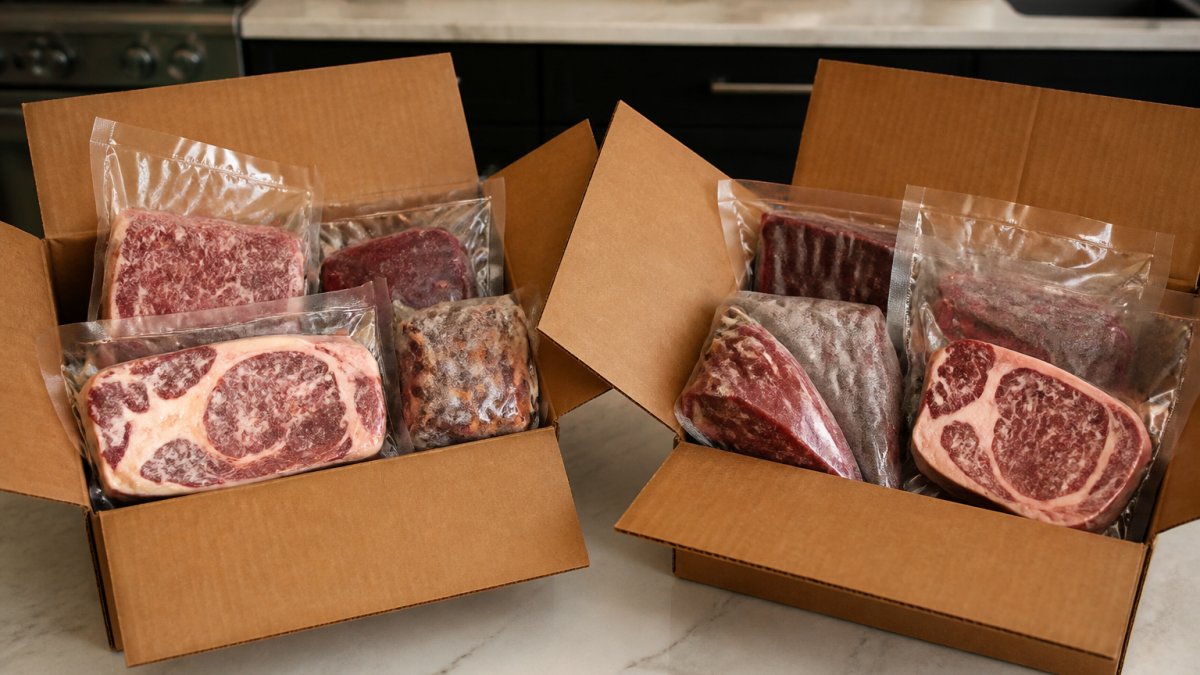
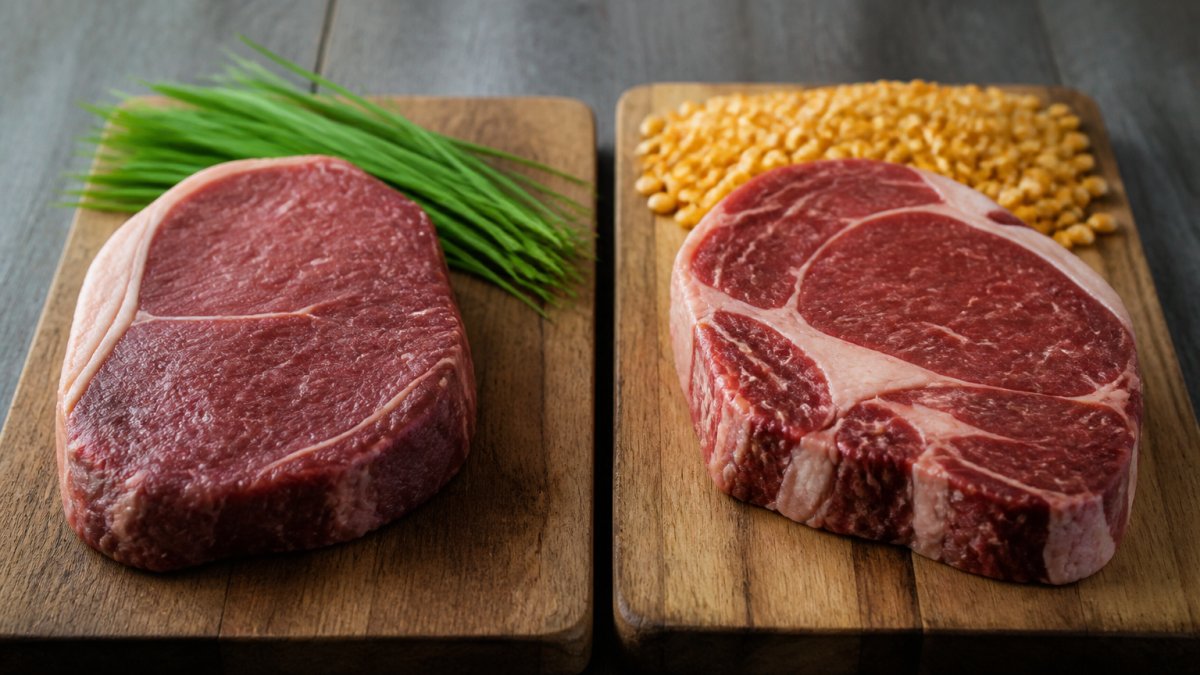
Beef is a paleo staple, but quality varies. Grass-fed beef contains higher omega-3 fatty acids and conjugated linoleic acid (CLA) than grain-fed alternatives, and a 3-ounce portion provides roughly 25-30 grams of complete protein.
Pasture-raised pork offers similar protein density. Poultry delivers lean protein with minimal fat, ideal for managing calorie intake while maintaining muscle.
The real differentiator is the source. Wild-harvested venison from free-roaming deer differs nutritionally from farm-raised alternatives because these animals eat natural vegetation and move constantly.
Seafood and Fish Options
Salmon ranks among the most nutrient-dense paleo proteins: a 3-ounce serving delivers 25 grams of protein plus omega-3s that reduce inflammation and support cardiovascular health.
Shellfish often gets overlooked, but oysters, clams, and mussels provide complete protein alongside zinc, iron, and B12; a 3-ounce serving of oysters has roughly 6 grams of protein and exceptional micronutrient density.
Sourcing matters with seafood as much as land animals. Wild-caught fish from sustainable fisheries avoid the concerns of farm-raised alternatives, so look for labels reading wild-caught or sustainably harvested.
Eggs and Egg-White Protein
Eggs are one of the most complete paleo proteins: a single large egg contains 6 grams of protein plus all nine essential amino acids.
Three egg whites deliver roughly 10 grams of protein with minimal calories or fat, but whole eggs provide superior nutrient density and satiety, making them the better choice for most paleo practitioners.
Quality applies here too: pasture-raised eggs from hens with outdoor access contain higher levels of omega-3s and carotenoids than conventional eggs, a measurable difference for anyone committed to nutrient-dense eating.
Paleo Protein Sources: Whole Foods vs. Convenience
The tension between whole foods and convenience shapes most paleo practitioners' daily protein strategy. Whole foods provide superior nutrient density and satiety: a grass-fed steak or wild salmon fillet delivers protein plus micronutrients, healthy fats, and compounds processed options cannot match.
Convenience matters too, since not everyone can cook fresh protein at every meal. Some convenience proteins align with paleo principles; many do not.
Whole-Food Protein Comparison by Serving
| Protein Source | Key Nutrients | Paleo Alignment |
|---|---|---|
| Grass-fed beef | B12, Iron, CLA | Excellent |
| Wild salmon | Omega-3s, Selenium, D | Excellent |
| Pasture-raised eggs | Choline, Lutein, Complete AA | Excellent |
| Pasture-raised chicken | B6, Selenium, Niacin | Excellent |
| Wild-harvested venison | Iron, B12, Low fat | Excellent |
| Shellfish (oysters) | Zinc, Iron, B12 | Excellent |
The pattern is consistent: whole-food animal proteins deliver 20-27 grams of protein per serving with exceptional micronutrient profiles, so a 4-ounce serving of any of these covers most people's per-meal protein target.
Nuts, Seeds, and Supplemental Sources
Nuts and seeds provide supplemental protein, though not at the density of animal sources.
These work best as snacks or meal additions rather than primary protein sources. They're calorie-dense, so portion control matters if weight management is your goal.
Chia and hemp seeds deliver complete amino acids in small quantities, roughly 3-4 grams per ounce, but they're nutritional boosters rather than primary protein sources.
High-Protein Paleo Snacks: Portable Options for Active Lifestyles
Active people following paleo need convenient protein that travels well and doesn't require refrigeration.

The best paleo snacks share common traits: minimal ingredients, no seed oils or additives, significant protein, and shelf stability without refrigeration.
Makana Wild's Carnivore Chips offer this exact combination.
For variety, Makana Wild's Protein Bombs combine wild-harvested venison with whole-food ingredients like oatmeal, peanut butter, honey, and cinnamon.

Game Meat and Wild-Harvested Proteins
Game meat represents the pinnacle of paleo protein sourcing. Wild-harvested venison, elk, and bison are free-roaming animals eating natural diets and moving constantly, producing meat with superior nutrient profiles compared to farm-raised alternatives.
The conservation angle adds another dimension.
Bison, particularly when sourced through ethical trade relationships like Makana Wild's partnership with the Lakota Nation, carries cultural significance alongside nutritional value.
Ingredient Transparency and Label Reading
Reading ingredient labels separates quality paleo snacks from marketing-driven imposters.
Look for no seed oils (canola, soybean, sunflower), no added sugars beyond natural sources like honey, no preservatives or nitrates, and no fillers. Many jerky products add sugar and preservatives that undermine paleo principles.
Makana Wild's approach exemplifies transparency. Their Carnivore Chips contain exactly two ingredients: venison and Hawaiian sea salt.
Best Paleo Protein Powder: Evaluating Clean Options
Protein powders present a paradox for paleo practitioners: the diet emphasizes whole foods, yet powders offer unmatched convenience. The key distinction lies in what the powder is made from and how it's processed.
Many powders contain seed oils, artificial sweeteners, additives, or highly processed ingredients that contradict paleo philosophy, but powders made from animal sources with minimal processing can align with paleo eating.
Beef Protein Isolate and Animal-Derived Powders
Beef protein isolate represents the closest alignment between paleo principles and powder convenience.
Its advantage over plant-based powders is a complete amino acid profile: all nine essential amino acids in ratios that support muscle recovery and satiety, without the digestive concerns some people experience with plant proteins.
The disadvantage is cost: beef protein isolate costs more than whey or plant-based alternatives, and careful sourcing matters, since a powder made from conventional beef defeats the paleo purpose.
Plant-Based Powders and Compatibility Concerns
Pea, rice, and hemp protein powders raise questions within paleo communities because these plants are legumes or grains excluded from strict paleo interpretation.
The real concern is amino acid completeness: pea protein lacks methionine, rice protein lacks lysine, and hemp protein is incomplete across multiple amino acids, so plant-based powders require combining sources or accepting incomplete protein.
For strict paleo followers, plant-based powders are a compromise; for flexible followers prioritizing convenience, they're acceptable when whole-food intake is adequate.
Paleo Meal Replacement Shake: Whole-Food Alternatives
Meal replacement shakes raise similar questions as protein powders: a true paleo meal replacement should be made from whole foods, not processed powders and additives. Makana Wild's meal replacement bars offer an alternative built from recognizable ingredients.

Their ULU and Venison Bar combines wild-harvested venison with oatmeal, breadfruit (ulu), peanut butter, honey, cinnamon, vanilla, and sea salt.
The KALO and UALA Venison Bar uses wild venison with taro (kalo) and sweet potato (uala), Hawaiian staple crops that provide carbohydrate energy alongside the protein.
The advantage over powder shakes is simplicity: you're eating food, not reconstituting powder, with a transparent nutrient profile and no hidden additives.
Daily Protein Targets and Personalized Planning
Determining your actual protein needs requires understanding your activity level, body composition goals, and individual factors, which generic recommendations ignore.
How Much Protein Do You Actually Need?
The common recommendation of 0.8 grams per kilogram of body weight applies to sedentary people as baseline maintenance.
For a 150-pound person training four times weekly, that's roughly 109-136 grams of daily protein, or 36-45 grams per meal.
Practical application matters more than the formula: if you're training, aim for 25-30 grams per meal; if sedentary, 15-20 grams is sufficient.
Budget and Accessibility Considerations
High-quality paleo protein costs more than conventional options, and grass-fed beef, wild salmon, and pasture-raised eggs command premium prices, creating real constraints on a tight budget.
The solution isn't compromising on quality but being strategic: buying in bulk, choosing less popular cuts (organ meats, bone-in poultry), and shopping at farmers markets reduces costs. Eggs remain one of the most affordable high-quality proteins.
Makana Wild's Carnivore Chips at $9.99 per ounce are premium, but 17 grams of protein per serving translates to roughly $0.59 per gram, favorable against many convenience options once you factor in ingredient quality and shelf stability.

Allergen and Dietary Considerations on Paleo
Individual sensitivities and allergies require personalized adjustments: shellfish allergies eliminate oysters and clams, egg allergies require focusing on meat and fish, and nut allergies mean excluding almonds and other tree nuts.
The paleo framework accommodates these constraints: if you cannot eat shellfish, wild salmon and grass-fed beef provide complete alternatives, and if eggs cause issues, focus on meat and fish.
For multiple allergies or sensitivities, a practitioner who understands paleo principles can help identify safe, nutrient-dense options.
Building your best protein for paleo diet strategy requires understanding your activity level, sourcing standards, and personal preferences. Choose sources that align with your values around ethical sourcing and environmental impact. Research on grass-fed beef nutrition supports the nutritional superiority of pasture-raised animal proteins.
Frequently Asked Questions
Which protein sources are allowed on a paleo diet?
Paleo-approved protein sources include grass-fed beef, wild game like venison and bison, poultry, fish and seafood, eggs, nuts, and seeds. The focus is on whole, unprocessed animal proteins and plant-based options without modern additives. Avoid processed meats with fillers, soy protein, and dairy-based options. Wild-harvested game meats like venison offer a nutrient-dense choice aligned with paleo principles.
What are some good high-protein snacks for the paleo diet?
High-protein paleo snacks include beef jerky, venison jerky, hard-boiled eggs, nuts and seeds, and fish-based options. Portable snacks like carnivore chips made from wild game meat and sea salt deliver 15-17 grams of protein per serving with zero carbs. Look for products with minimal ingredients: just meat and salt, no fillers or preservatives. These travel-friendly options support satiety between meals.
Can you use protein powder on a paleo diet?
Yes, but choose carefully. Beef protein isolate and other animal-derived powders align better with paleo principles than plant-based options. Avoid powders with soy, rice, or pea protein, which many paleo followers exclude. Check the ingredient label for additives, sweeteners, and fillers. Whole-food sources like eggs and meat remain the ideal baseline, but clean animal-based powders can supplement your protein intake when whole foods aren't convenient.
How can I get enough protein on a paleo diet?
Aim for 25-30 grams of protein per meal by including a palm-sized serving of lean meat, poultry, or seafood at each meal. Supplement with eggs, nuts, and seeds for additional protein and healthy fats. If whole foods don't meet your target, add a clean animal-based protein powder or portable snacks like venison jerky or carnivore chips. Track your intake for a few days to identify gaps and adjust portions accordingly.
Are meat-based protein snacks like jerky paleo-friendly?
Yes, when made with clean ingredients. Traditional jerky made from grass-fed beef, wild venison, or bison with only salt qualifies as paleo. However, many commercial jerky products contain sugar, preservatives, nitrates, and other additives that conflict with paleo principles. Read ingredient labels carefully, paleo jerky should list only meat and salt. Wild-harvested options support both your nutritional goals and sustainable land management.
What is a clean, non-toxic protein powder?
A clean protein powder contains minimal ingredients with no artificial sweeteners, fillers, or preservatives. Beef protein isolate made from grass-fed cattle is a strong paleo option. Avoid products with soy lecithin, artificial flavors, or added sugars. Check that the powder is third-party tested if possible, and verify the sourcing, grass-fed and hormone-free matter for quality. Whole-food proteins remain superior, but a truly clean powder can fill gaps when needed.
What is the best protein powder for a paleo diet?
Beef protein isolate from grass-fed, hormone-free cattle is widely considered the best paleo protein powder because it delivers complete amino acids without plant-based fillers or dairy. Look for products with transparent sourcing and minimal ingredients. Animal-based powders align with paleo philosophy better than plant-derived options. However, prioritize whole-food sources like eggs, meat, and seafood first, and use powder as a convenience supplement rather than a primary protein source.