
Quick Summary
Makana Wild offers paleo friendly meat in single purchases, including venison and bison chips made with just meat and sea salt. Check each listing's ingredients yourself, since some bars include oats and honey.
- Venison and bison Carnivore Chips list only two ingredients: meat and Hawaiian Alaea sea salt.
- Each Carnivore Chip and PROTEIN BOMBS product is priced at $9.99 per 1 oz unit.
- The ULU and Venison Bar is the lowest-priced item at $6.99.
- Convert subscription offers to cost per pound of edible meat, plus shipping and minimums, before comparing.
- Check frozen deliveries for surface cold, intact coolant, and package integrity on arrival.
Table of Contents
- How We Compared Paleo Friendly Meat Delivery Services
- Side-by-Side Comparison of Makana Wild's Paleo Products
- Paleo Meat Delivery Boxes: What Subscriptions Cost and Who They Suit
- Grass-Fed Meat Delivery: Sourcing Claims Worth Checking
- Wild-Harvested Meat Delivery and Why Sourcing Matters
- Shipping, Cold-Chain Delivery and Storing Your Order
- Choosing Your First Paleo Meat Order
- Frequently Asked Questions
How We Compared Paleo Friendly Meat Delivery Services
Last Updated: November 4, 2026
Finding a paleo friendly meat delivery service is harder than it should be. Most sellers describe their products with the same words, and the labels rarely tell you where the animal came from or how it was handled. At Makana Wild, we looked at what a shopper can actually check before paying.
We compared the paleo friendly meat options available to our customers, focusing on what the product listings state about ingredients, sourcing, and preparation. Each product was judged on the claims its own page makes, not on marketing language alone.
Our criteria were simple:
- Ingredient list length: Does the product name only the protein, or does it include fillers and additives?
- Sourcing transparency: Does the listing say where the animal was raised or harvested?
- Nutrition disclosure: Are protein, calorie, and sodium figures published per serving?
- Dietary labels: Does the product carry paleo, keto, or carnivore labels backed by its ingredient list?
- Shipping and storage guidance: Does the seller explain how the product arrives and how to keep it?
Paleo eaters generally avoid grains, legumes, refined sugar, and processed additives. A short ingredient list is therefore a useful first filter, though it does not prove a product meets every paleo standard. Check each listing yourself before ordering.
Side-by-Side Comparison of Makana Wild's Paleo Products
Makana Wild currently offers four products in our paleo-focused range. Each is priced in USD as listed on the product page.
| Product | Price | Ingredient Count | Key Labels |
|---|---|---|---|
| Carnivore Chips, Hawaii Wild Harvested Venison, 1 oz | $9.99 | 2 | Paleo Friendly, Keto Friendly, Carnivore Diet Approved |
| Carnivore Chips, Field Harvested Lakota Bison, 1 oz | $9.99 | 2 | Gluten Free, Zero Carbs, Paleo diet suitable |
| PROTEIN BOMBS, Hawaii Wild Harvested Venison | $9.99 | 8 | Paleo Friendly, Keto Friendly, Carnivore Diet Approved |
| ULU and Venison Bar | $6.99 | 9 | Paleo Friendly, Keto Friendly, Carnivore Diet Approved |
The venison chips and bison chips each list only two ingredients: meat and Hawaiian Alaea sea salt. The bars and Protein Bombs include oats, peanut butter, honey, and other ingredients, so check them against your own paleo rules.

Paleo Meat Delivery Boxes: What Subscriptions Cost and Who They Suit
Most paleo meat delivery services sell through recurring boxes, and the box is usually where the pricing gets confusing. A listing might advertise a "starting at" figure that turns out to be a per-box minimum, a first-order discount, or a price that only applies if you commit to a longer cadence. Before you compare two services, convert every offer to the same unit: cost per pound of edible meat, plus shipping, plus any subscription minimum.
Makana Wild's products are listed as single purchases rather than recurring boxes.
How to Compare a Subscription Box to a One-Off Order
A useful comparison starts with four numbers. Write them down for each service you are considering:
- Per-pound price of the protein. Divide the box price by the net weight of the meat, not the shipping weight. A 10-pound box that includes 2 pounds of packaging is a 8-pound box for pricing purposes.
- Shipping fee. Some services fold shipping into the box price; others add a flat or weight-based fee at checkout. A "free shipping" box is not free if the per-pound price is higher than a competitor's plus shipping.
- Subscription minimum. Many boxes require a minimum order per delivery, often expressed in pounds or dollars. If the minimum is higher than what you would eat in a month, you are paying for freezer space.
- Cadence flexibility. Check whether you can skip, pause, or change box size without a fee. A box you cannot pause is a commitment, not a convenience.
A common pattern is that the advertised per-pound price drops as box size increases, but the total outlay rises. If you are testing a service for the first time, the smallest box is usually the right choice even when the per-pound price is higher, because it limits how much money is tied up in a product you have not tasted.
What a One-Off Order Actually Costs
The Carnivore Chips (venison and bison) are $9.99 per 1 oz bag. The PROTEIN BOMBS are $9.99. The ULU and Venison Bar is $6.99.

Who Each Structure Suits
- Occasional buyers and travelers: Single purchases with no commitment fit best. You buy what you will eat, and shelf-stable formats travel well.
- Budget-conscious shoppers: The ULU and Venison Bar at $6.99 is the lowest-priced product in the range.
Grass-Fed Meat Delivery: Sourcing Claims Worth Checking
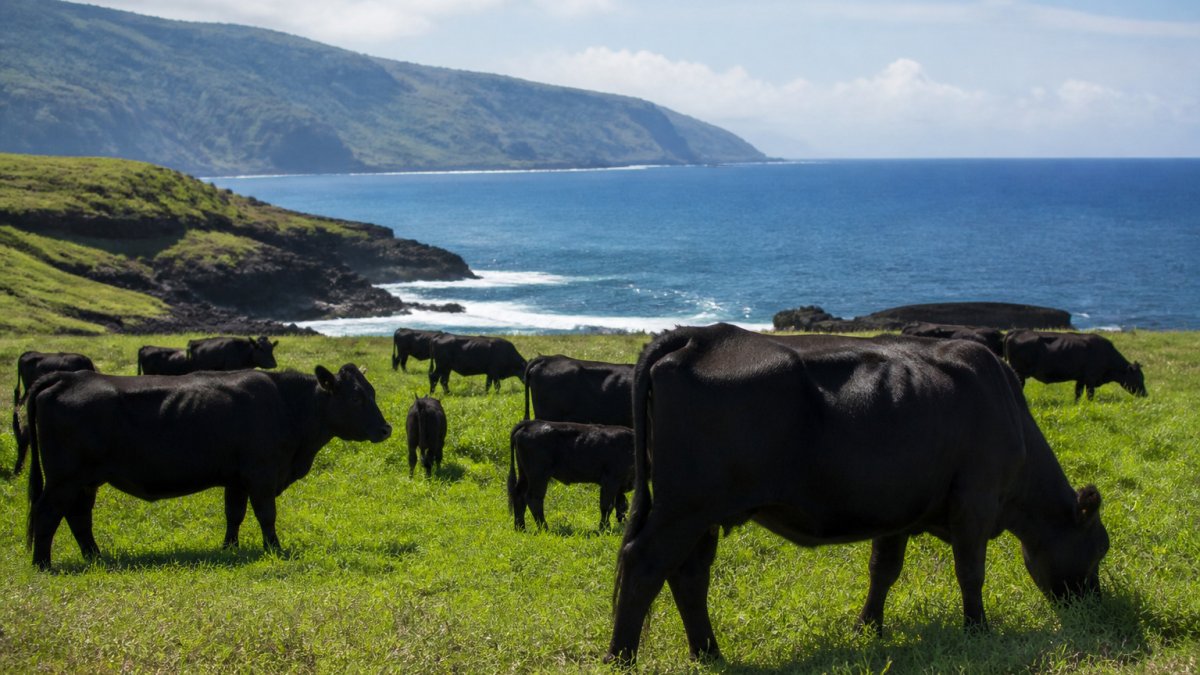
Grass-fed is one of the most common claims in this category, and it is worth reading carefully. Makana Wild's brand description references island-raised, grass-fed beef. Our current catalog centers on wild-harvested venison and bison.
When you evaluate any grass-fed claim, ask:
- Does the listing name the animal's diet and where it was raised?
- Is the claim backed by a named certification or only by general language?
- Does the product page describe the specific cut or product you are buying?
Makana Wild's venison listings state that the deer are free-roaming and wild-harvested in Hawaii. Our bison products are described as field harvested from Lakota Nation trade partnerships.
Makana Wild Carnivore Chips Hawaii Wild Harvested Venison 1 oz →
Wild-Harvested Meat Delivery and Why Sourcing Matters
Wild-harvested meat comes from animals that were not raised in pens or feedlots. For paleo eaters, this often matters because it reflects a diet closer to what the animal would naturally eat. It also raises practical questions about traceability, since wild animals are not tagged the way farm animals are.
Makana Wild describes its venison as harvested from free-roaming Hawaiian deer. The harvesting also supports conservation work to manage herds that damage crops and island ecosystems.
How Wild-Harvested Venison Is Verified
If you want to check a venison claim yourself, start with the seller's written description. Look for the harvest location, the harvest method, and any processing details. A credible seller will state these openly.
Then ask the seller directly for information the listing does not include, such as harvest records or processing documentation. Keep the answers in writing so you can compare them later.
Shipping, Cold-Chain Delivery and Storing Your Order
Shipping is where most meat orders succeed or fail, and it is the part of a product listing shoppers read least carefully. The two delivery models in this category behave very differently, and mixing them up is the most common source of a bad first order.
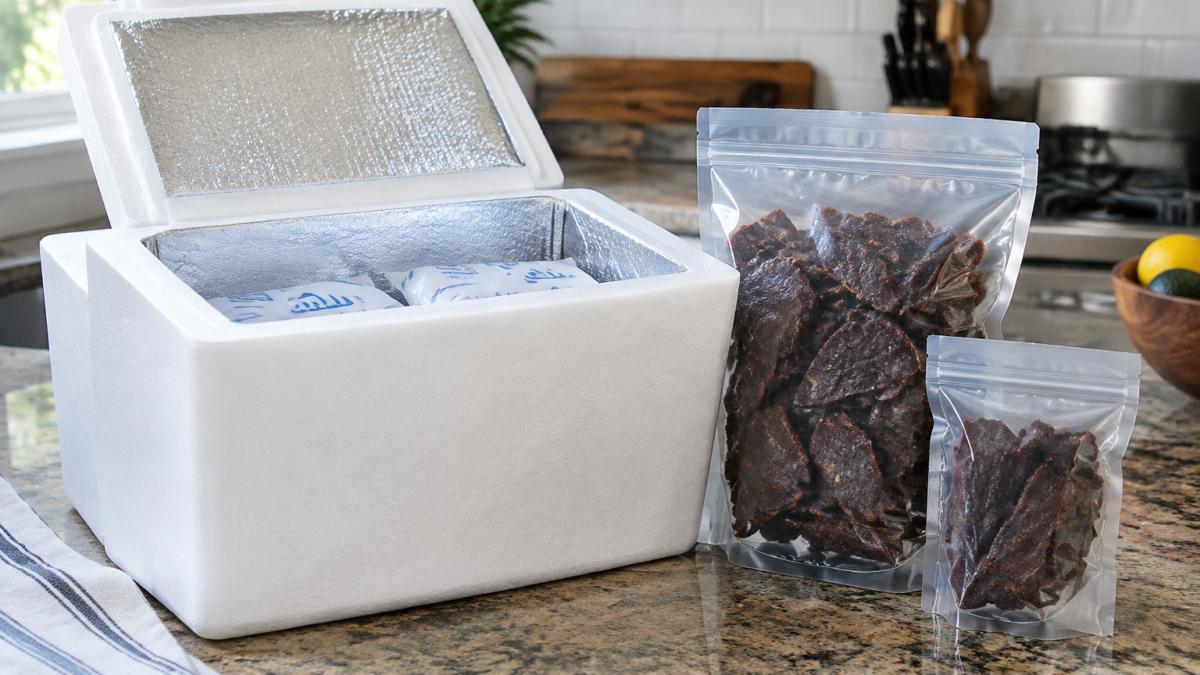
Shelf-Stable vs. Frozen: Two Different Shipping Models
Frozen meat delivery works the other way. The seller packs the meat with dry ice or gel packs, ships it in an insulated liner inside a corrugated box, and relies on the coolant to hold the product below freezing for the transit window. The box is designed to arrive cold, not frozen solid, and the meat may be partially thawed at the edges when you open it. That is normal within limits; it is not normal if the meat is warm to the touch or the coolant is fully gone.
What to Check on a Frozen Delivery
When a frozen box arrives, check these in order:
- Temperature at the surface. The meat should feel cold and firm. A slight softness at the edges is common; warmth in the center is not.
- Coolant condition. Dry ice should still be present or recently sublimated. If the gel packs are room temperature and the meat is soft throughout, the cold chain failed.
- Package integrity. Look for punctures in the liner, crushed corners, or leaked juices. A compromised vacuum seal is a food-safety issue, not a cosmetic one.
- Delivery window. Most frozen services ship on a schedule that avoids weekend holds. If your box sat in a warehouse over a weekend, the coolant may not have been sized for the extra days.
What to Check on a Shelf-Stable Delivery
Shelf-stable products are simpler, but the checks still matter:
- Confirm the package is intact and the seal is unbroken.
- Check the printed best-by or shelf-life date and follow it.
- Store the bag in a cool, dry place as soon as it arrives, and keep the packaging intact until you are ready to eat so the product is protected from moisture.
- If the bag arrives swollen, leaking, or with a broken seal, treat it as damaged and contact the seller rather than eating it.
Packaging and Delivery Details Worth Asking About
A seller's listing rarely answers every question, so ask directly before ordering:
- Insulation type. Recycled denim, molded pulp, and foam liners perform differently, and some are easier to recycle in curbside programs.
- Coolant sizing. Ask how the coolant is sized for your climate and transit time, especially in summer.
- Ship days. Most frozen sellers ship Monday through Wednesday so boxes do not sit over a weekend. Confirm the schedule for your ZIP code.
- Delivery address type. A residential porch and a workplace mailroom hold temperature differently. If you ship to an office, confirm someone can move the box indoors on arrival.
- Arrival instructions. Ask what the seller wants you to do if the box arrives warm or damaged, and whether they replace or refund. Get the answer in writing before you order.
Storing Your Order
Our single-serve bags are easy to carry in a gym bag, a backpack, or a day pack.
Choosing Your First Paleo Meat Order
Start with the product that matches your routine. If you want the shortest possible ingredient list, choose one of the two Carnivore Chips. If you want a snack bar, the ULU or Kalo bar is $6.99.
Before you order, check the ingredient list against your own paleo rules and confirm that the product's label fits your diet.
Frequently Asked Questions
What should I look for in a paleo-friendly meat delivery service?
Start with the ingredient list. A paleo-friendly product should list only the meat and simple seasonings, with no added sugar, fillers or preservatives. Makana Wild's Carnivore Chips list only venison or bison and Hawaiian Alaea sea salt. Next, check sourcing: whether the animal was wild-harvested, field-harvested or grass-fed, and whether the seller explains how. Finally, compare shipping conditions, since frozen and shelf-stable products behave differently in transit and storage.
Are paleo meat delivery boxes worth the cost?
A box makes sense if you eat a consistent amount of protein and want to avoid reordering. Single-serve products cost less up front and let you test flavors before committing. Makana Wild's Carnivore Chips are priced at $9.99 per 1 oz bag, and its Ulu and Kalo Venison Bars are $6.99 each.
Which meat delivery services offer grass-fed or wild-harvested meat?
Makana Wild sells wild-harvested venison from Hawaii and field-harvested Lakota bison. Check each product page for the specific sourcing claim, since terms like grass-fed and wild-harvested mean different things. Look for a description of how the animal was raised or harvested, and whether the brand explains its verification process.
Can I get paleo-friendly meat delivered without a subscription?
Yes. Makana Wild's products are available as individual purchases. If you eat paleo daily, compare the per-serving price of single orders with other options before choosing.