
Last Updated: October 26, 2026
Quick Summary
The best paleo protein sources for active lifestyles are animal-based foods like grass-fed beef, wild-caught fish, eggs, and poultry, which provide complete amino acids and high bioavailability. Active adults should aim for 0.7 to 1.0 grams of protein per pound of body weight daily, distributed across 4-5 meals of 25-40 grams each to optimize muscle recovery and performance.
- Wild venison delivers 26 grams of protein per 3.5 ounces with high iron and omega-3 fatty acids.
- Active adults should consume 0.7 to 1.0 grams of protein per pound of body weight daily spread across meals.
- Grass-fed beef contains more conjugated linoleic acid and omega-3s than grain-fed beef, supporting better body composition.
- Salmon provides 25 grams of protein per 3.5 ounces plus EPA and DHA omega-3s that reduce inflammation.
- Post-workout meals should combine 30-40 grams of protein with 30-50 grams of carbohydrates within 30-60 minutes after training.
Table of Contents
- How Much Protein Do Active Adults Need
- Animal-Based Paleo Protein Sources That Fuel Performance
- Non-Meat Paleo Protein Sources and Complementary Foods
- Paleo Protein Snacks for Convenience and Portability
- Paleo Protein Powder: Finding Clean-Label Supplements
- Paleo Post-Workout Meals to Support Recovery
- Building Your Protein Strategy for Active Performance
- Frequently Asked Questions
How Much Protein Do Active Adults Need
Active adults need more protein than sedentary populations to support muscle repair, recovery, and performance. The amount depends on your body weight, training intensity, and fitness goals.
A practical starting point is 0.7 to 1.0 grams of protein per pound of body weight daily.
Timing matters too. Distributing protein across 4-5 meals helps with muscle protein synthesis throughout the day.
The challenge isn't knowing the number, it's hitting it consistently with clean, paleo-compatible sources. That's where most people struggle. They eat protein sporadically, then wonder why recovery lags and performance plateaus.
Animal-Based Paleo Protein Sources That Fuel Performance
Animal protein sources deliver complete amino acid profiles, meaning they contain all nine essential amino acids your body cannot manufacture. They're also highly digestible, your body assimilates them efficiently with minimal waste.
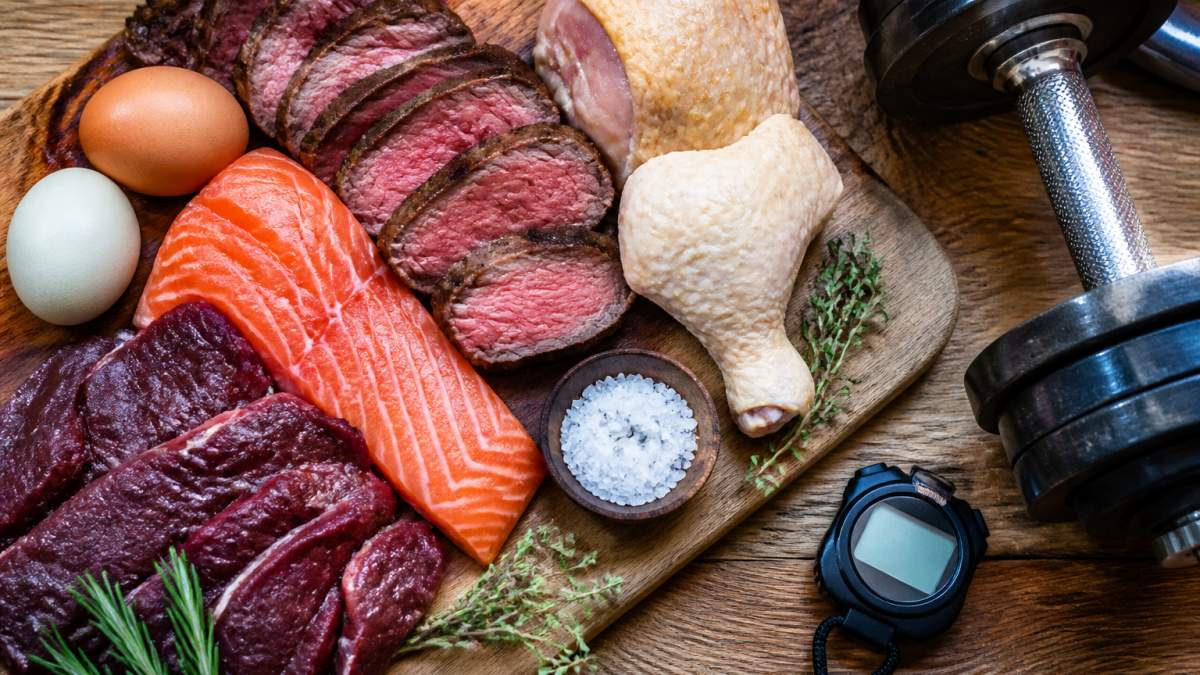
For active lifestyles, animal protein is the foundation. Beef, fish, eggs, and poultry are staples in paleo eating because they're nutrient-dense and free from the inflammatory seed oils and additives found in processed foods.
Wild-Harvested Venison and Game Meats
Wild venison stands apart from farm-raised meat. Free-roaming deer develop muscle differently than confined animals, producing leaner, more nutrient-dense meat.
A 3.5-ounce serving of venison delivers roughly 26 grams of protein with minimal fat. It's lower in calories than beef while packing more micronutrients.
The real advantage? When you choose wild venison products from Makana Wild, you're supporting conservation efforts that manage overpopulated herds damaging island ecosystems.
Other game meats like elk and bison follow similar patterns: leaner, more nutrient-dense, better for the land. Discover how to cook wild venison and prepare this protein source for your meals.
Grass-Fed Beef and Bison
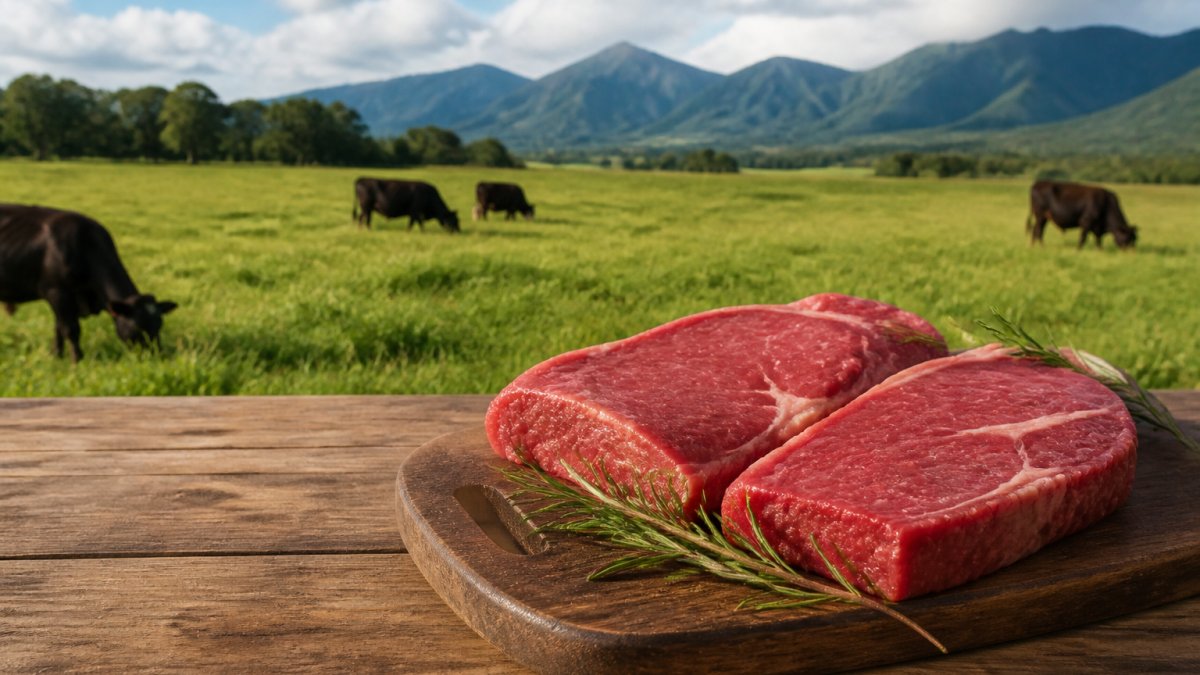
Grass-fed beef differs meaningfully from grain-fed cattle. Animals eating their natural diet accumulate more conjugated linoleic acid (CLA), a compound linked to improved body composition and recovery.
A 3.5-ounce serving of grass-fed beef provides 25-27 grams of protein. The fat content is lower than grain-fed beef, but the quality is higher. You absorb more micronutrients per calorie.
Bison offers similar benefits with slightly leaner meat. A 3.5-ounce serving delivers 24 grams of protein with just 2 grams of fat.
The cost is higher than commodity beef, but the nutrient density justifies it. For active people, exploring grass-fed beef options helps you understand whether the quality difference aligns with your training demands and recovery needs.
Fish and Seafood
Fish delivers complete protein alongside omega-3 fatty acids that reduce inflammation and support cardiovascular health. Salmon, mackerel, and sardines are particularly rich in EPA and DHA, the long-chain omega-3s your brain and muscles prioritize.
A 3.5-ounce serving of salmon provides 25 grams of protein and roughly 2 grams of omega-3s. That combination is hard to match elsewhere in paleo eating. Tuna offers similar protein (26 grams per 3.5 ounces) with less fat, making it excellent for leaner body composition goals.
Shellfish like oysters and clams are underrated paleo proteins. Oysters deliver 9 grams of protein per 3-ounce serving alongside zinc, selenium, and B12. They're also inexpensive and sustainable.
The downside: fish quality varies. Wild-caught fish have better nutrient profiles than farmed, but availability and cost limit options for many people. Frozen wild-caught fish is a practical compromise, it's often fresher than fresh because it's frozen at peak quality.
Eggs and Poultry
Eggs are the most complete, bioavailable protein source available. A large egg contains 6 grams of protein with all nine essential amino acids.
Pasture-raised eggs are worth seeking out. Hens with access to outdoor space produce eggs with higher omega-3 content and better nutrient density.
Poultry, chicken and turkey, provides lean protein without excess fat. A 3.5-ounce serving of chicken breast has 31 grams of protein and just 3.6 grams of fat. It's affordable, versatile, and easy to prepare.
For active people, eggs are ideal post-workout fuel. They're portable, require minimal preparation, and the combination of protein and fat promotes satiety and hormonal balance.
Non-Meat Paleo Protein Sources and Complementary Foods
Not everyone eats meat exclusively on paleo, and some days you'll want variety. Nuts, seeds, and certain vegetables provide protein, though they're less complete than animal sources.
Almonds deliver 6 grams of protein per ounce alongside magnesium and vitamin E. Pumpkin seeds offer 9 grams per ounce with zinc and manganese. Neither is a complete protein on its own, but they complement animal sources well.
Coconut flour and almond flour contain protein (5-8 grams per ounce depending on the source), making them useful in paleo baking. Avocados provide healthy fat and some protein, about 3 grams per fruit, plus potassium and fiber.
The reality: these sources are supporting players, not primary protein anchors. A typical paleo meal pairs animal protein with nuts or seeds for micronutrient density and satiety.
Paleo Protein Snacks for Convenience and Portability
Active lifestyles demand convenient protein between meals.
Quality paleo snacks simplify protein intake. Look for products with minimal ingredients, ideally just meat and salt, nothing more.
Makana Wild Carnivore Chips deliver 17 grams of protein per 1-ounce serving with just two ingredients: wild-harvested venison and Hawaiian sea salt. They're shelf-stable, portable, and work equally well pre-workout, post-workout, or as a midday snack. The venison is wild-harvested from Hawaiian islands as part of conservation efforts, supporting ecosystem health while fueling your training.

Makana Wild Protein Bombs offer 40 grams of protein per serving with simple ingredients: venison, oatmeal, peanut butter, honey, and cinnamon.
For bison lovers, Makana Wild Carnivore Chips with field-harvested Lakota bison provide 16 grams of protein per ounce with the same two-ingredient simplicity.
The advantage of quality snacks is consistency. You know exactly what you're eating and can plan your daily protein intake with precision.
Paleo Protein Powder: Finding Clean-Label Supplements
Protein powders are controversial in paleo circles because most contain additives, artificial sweeteners, or inflammatory ingredients.
The best paleo protein powders use simple sources: whey from grass-fed cattle, egg protein, or plant-based options like pea protein.
Whey protein isolate from grass-fed cattle is the closest to paleo principles. It's bioavailable, complete, and free from hormones or antibiotics if sourced correctly.
Egg white protein is another option, it's complete, hypoallergenic, and clean.
The reality: powders are supplements, not replacements for whole food. Use them when whole food isn't practical, traveling, immediately post-workout, or when time is severely limited.
Paleo Post-Workout Meals to Support Recovery
Post-workout nutrition accelerates recovery and primes muscle growth. The timing window is smaller than popular fitness culture suggests, but the quality matters enormously.
Within 30-60 minutes after training, combine protein with carbohydrates. The protein triggers muscle protein synthesis; the carbohydrates replenish glycogen and blunt cortisol elevation.
Practical post-workout meals:
- 3-4 eggs with sweet potato and avocado (35g protein, 40g carbs)
- 4-5 ounces of salmon with white rice and vegetables (30g protein, 45g carbs)
- Chicken breast with fruit and almonds (35g protein, 35g carbs)
For convenience, a paleo protein snack plus fruit works well. Makana Wild Protein Bombs deliver 40 grams of protein with oatmeal and honey, providing both protein and carbohydrates in one portable bar.
Avoid fat immediately post-workout. Fat slows digestion and delays nutrient absorption when speed matters. Save olive oil, nuts, and fatty cuts for other meals.
Building Your Protein Strategy for Active Performance
Consistency beats perfection. Most active people fail not because they don't know what to eat, but because they don't eat it reliably.
Start by calculating your daily protein target based on body weight and training intensity. Learn how to build a comprehensive paleo protein strategy that ties together your complete approach to fueling active performance.
Choose mostly animal sources: beef, fish, eggs, poultry. Add variety with game meats like venison and bison.
For convenience, stock paleo-compatible protein snacks that align with your training schedule. Having clean protein available eliminates the decision fatigue that leads to poor choices when hungry and tired.
Track protein intake for 2-3 weeks to establish baseline habits. Most people discover they're under-eating protein when they first measure. Once you hit your target consistently for a month, the pattern becomes automatic.
The difference between active people who recover well and those who plateau often comes down to protein consistency.
Building a paleo protein strategy that supports your active lifestyle requires quality sources and reliable execution.
| Protein Source | Grams per 3.5 oz | Key Benefit | Best Use |
|---|---|---|---|
| Wild venison | 26g | High iron, omega-3s | Lean muscle support |
| Grass-fed beef | 26g | CLA, omega-3 balance | Strength training recovery |
| Salmon | 25g | EPA/DHA omega-3s | Inflammation reduction |
| Eggs | 18g (per 3 eggs) | Complete amino acids | Post-workout, anytime |
| Chicken breast | 31g | Lean, affordable | Daily staple |
| Bison | 24g | Sustainable, nutrient-dense | Leaner body composition |
According to research on protein requirements for active individuals, athletes engaging in regular strength training benefit from protein intake at the higher end of recommendations. The Academy of Nutrition and Dietetics position on sports nutrition supports protein distribution across multiple meals for optimal muscle protein synthesis.
Frequently Asked Questions
What are the best paleo protein sources for active people?
The best paleo protein sources for active lifestyles include wild-harvested venison, grass-fed beef, bison, fish, eggs, and poultry. Wild-harvested venison offers 26 grams of protein per 3-ounce serving with minimal fat, making it ideal for muscle recovery. Grass-fed beef provides complete amino acids and iron for endurance athletes. Fish like salmon delivers protein plus omega-3 fatty acids that reduce inflammation. For convenient options, Makana Wild Carnivore Chips deliver 16-17 grams of protein per serving with just two ingredients, making them perfect for post-workout fuel or trail snacks.
How much protein do active adults need daily?
Active adults typically need 1.2 to 2.0 grams of protein per kilogram of body weight daily, depending on training intensity and type. Endurance athletes may need 1.2-1.4 grams per kilogram, while strength athletes often benefit from 1.6-2.0 grams per kilogram. For a 150-pound (68 kg) person doing regular strength training, that translates to roughly 109-136 grams of protein daily. Spreading protein intake across meals and post-workout meals helps with muscle repair and recovery.
Can you get enough protein on a paleo diet without eating meat?
Yes, though meat is the most efficient source. Non-meat paleo options include eggs (6 grams of protein per egg), nuts and seeds (almonds: 6 grams per ounce; pumpkin seeds: 9 grams per ounce), fish and seafood, and paleo-friendly plant foods. However, plant-based paleo proteins are often incomplete amino acid profiles, so combining sources (like nuts with seeds or fish with vegetables) ensures you get all nine essential amino acids needed for active recovery.
What should you eat after a workout on a paleo diet?
Post-workout paleo meals should combine protein and carbohydrates to replenish glycogen and support muscle repair. Ideal options include grilled salmon with sweet potato, ground beef with roasted vegetables, or eggs with fruit. For quick recovery on the go, Makana Wild Protein Bombs deliver 40 grams of protein with honey and oatmeal for carbohydrates, or Carnivore Chips with a piece of fruit. Timing matters: aim to eat within 30-60 minutes after exercise when your muscles are primed to absorb nutrients.
Are protein powders allowed on a paleo diet?
Traditional paleo avoids processed powders, but clean-label paleo protein powders exist. Look for powders made from egg white protein. Avoid powders with artificial sweeteners, soy, or long ingredient lists. Check labels for additives like gums or fillers. Many active people on paleo diets use quality protein powders as a convenience tool for post-workout shakes, especially when whole-food meals aren't immediately available.
What makes wild-harvested venison different from farm-raised meat?
Wild-harvested venison comes from free-roaming deer eating natural vegetation, resulting in leaner meat with higher omega-3 fatty acids and lower saturated fat than farm-raised alternatives. It contains no antibiotics, hormones, or pesticides. Makana Wild's venison is harvested from Hawaiian islands as part of conservation efforts to manage overpopulated deer herds that damage crops and ecosystems. This ethical sourcing means you're supporting land management while getting nutrient-dense protein, making it ideal for health-conscious and environmentally aware active people.