
Last Updated: October 25, 2026
Quick Summary
Grass-fed beef worth price depends on your priorities and budget. It's leaner with a different fat profile and slightly higher micronutrients, but costs 2 to 3 times more than grain-fed beef due to longer production timelines and higher land requirements.
- Grass-fed cattle take 24-30 months to reach market weight versus 18-22 months for grain-fed cattle.
- A 3-ounce serving of grass-fed ground beef contains 5-6 grams of total fat compared to 15-17 grams in grain-fed.
- Grass-fed beef has a higher ratio of omega-3 to omega-6 fatty acids and higher vitamin E and beta-carotene levels.
- Buying bulk, ground beef, lesser cuts, or seasonal sales can reduce grass-fed beef costs by 15-40 percent.
- Grass-fed beef requires careful cooking with lower heat and precise temperature control to avoid drying out.
Table of Contents
- The Core Question: Does Grass-Fed Beef Justify Its Cost
- Grass-Fed Beef vs. Grain-Fed Beef: What Actually Differs
- Grass-Fed Beef Nutrition: What the Science Shows
- Grass-Fed Beef Cost Per Pound and Price Premiums
- Downsides of Grass-Fed Beef You Should Know
- Who Should Prioritize Grass-Fed Beef
- Making Your Decision: Ethically Sourced Protein for Your Lifestyle
- Frequently Asked Questions
The Core Question: Does Grass-Fed Beef Justify Its Cost
Is grass-fed beef worth price considerations? That's the question most people ask before switching from conventional beef at the grocery store. But the longer answer is more nuanced, and understanding it requires looking beyond marketing claims to what actually differs between grass-fed and grain-fed production.
At Makana Wild, we focus on sourcing ethically raised protein that aligns with how our customers eat and what they value.
The reality is that grass-fed beef costs more to produce. Grass-fed cattle spend their entire lives on pasture, eating what they evolved to eat. That takes more land, more time, and more management than grain-feeding operations.
Grass-Fed Beef vs. Grain-Fed Beef: What Actually Differs
The production method creates the biggest difference between these two beef types. Grass-fed cattle graze on pasture for their entire lives. Grain-fed cattle spend their final months in feedlots eating corn, soy, and other grains to accelerate weight gain.
How Production Methods Shape Meat Quality
Grass-fed cattle develop differently than grain-fed cattle. On pasture, they move more, eat a varied diet of grasses and legumes, and build muscle over a longer timeline.
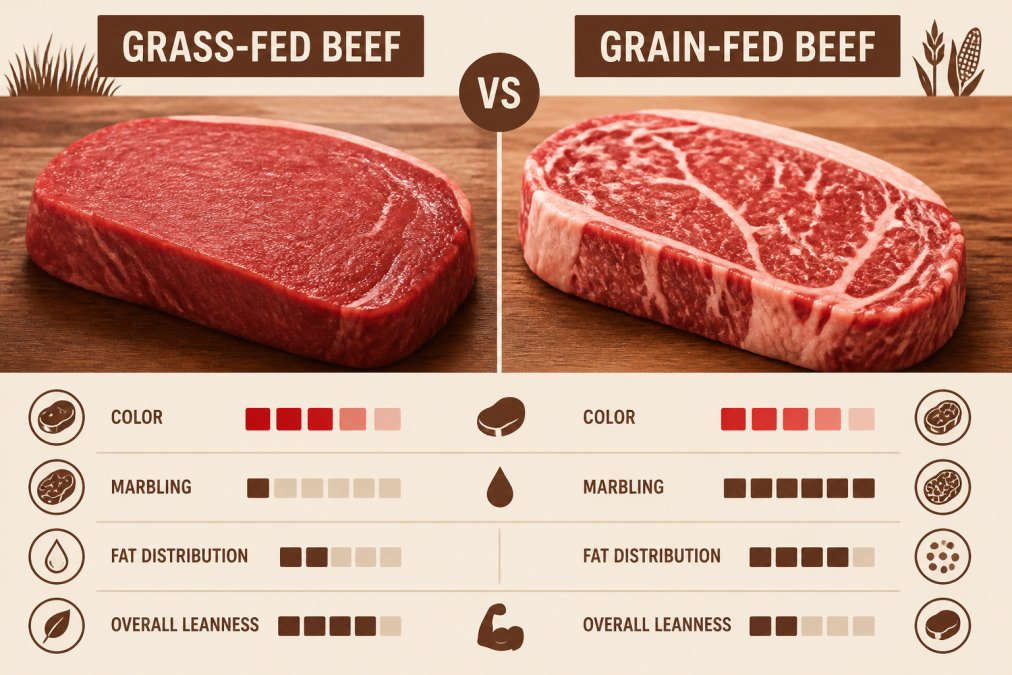
The flavor profile shifts with diet. Grass-fed beef has a leaner, sometimes more mineral-forward taste that some people describe as "beefier." Grain-fed beef tends toward a milder, fattier flavor. Neither is objectively better, it comes down to preference and how you cook it.
The texture differs too. Grass-fed beef is leaner, which means it can dry out more easily during cooking if you're not careful with temperature and timing. Grain-fed beef's higher fat content provides a buffer against overcooking.
Understanding Grass-Fed, Grass-Finished, and Label Standards
The terminology matters here, and labels can be misleading. "Grass-fed" means cattle ate grass at some point, but it doesn't guarantee they finished on grass.
"Grass-finished" is more specific: the animal ate grass for its entire life, including the final months before slaughter. Grass-finished beef is always grass-fed, but grass-fed beef is not always grass-finished.
The U.S. Department of Agriculture doesn't regulate these terms as strictly as many consumers assume. The "grass-fed" label is voluntary, and producers self-certify in many cases.
This matters because the nutritional differences between grass-fed and grain-fed beef are most pronounced in grass-finished beef. If a cow spent the last 90 days in a feedlot eating grain, its fat profile shifts toward grain-fed proportions.
Grass-Fed Beef Nutrition: What the Science Shows
The nutritional story is where grass-fed beef makes its strongest case. The differences are real but often smaller than marketing suggests.
Fat Content and Omega Fatty Acid Profiles
Grass-fed beef contains less total fat than grain-fed beef. A 3-ounce serving of grass-fed ground beef has roughly 5-6 grams of total fat, while the same portion of grain-fed ground beef contains 15-17 grams.
The more interesting difference is in the type of fat. Grass-fed beef has a higher ratio of omega-3 to omega-6 fatty acids compared to grain-fed beef (Fatty Acid Composition of Grain- and Grass-Fed Beef and Their Nutritional Value and...).
Conjugated linoleic acid (CLA) is another fat compound that appears in higher concentrations in grass-fed beef. Some research suggests CLA may have metabolic benefits, though the evidence remains preliminary and the practical difference from consuming beef is modest.
For most people, the fat reduction in grass-fed beef matters more than the omega-3 boost. If you're eating beef for protein and want to minimize fat intake, grass-fed is the leaner choice.
Vitamins, Minerals, and Micronutrient Differences
Grass-fed beef contains higher levels of certain micronutrients. Vitamin E is more abundant in grass-fed beef, as is beta-carotene (which gives grass-fed beef a slightly yellower hue in the fat).
Iron content is similar between grass-fed and grain-fed beef. B vitamins like B12 and niacin are present in both. The mineral profile is largely comparable, with grass-fed beef showing slightly higher levels of some trace minerals like selenium and zinc.
For explore the health and quality benefits of ethically sourced beef, understanding how production methods affect nutrient density matters. But the differences don't make grass-fed beef nutritionally superior in any dramatic way. It's a more nutrient-dense option per calorie, primarily because it's leaner.
Evidence Quality: What We Actually Know
The research on grass-fed beef's health benefits is mixed and often limited. Many studies compare small sample sizes or rely on self-reported dietary data, which introduces error. Some research is funded by industry groups with financial interests in the outcome.
What we know with reasonable confidence: grass-fed beef is leaner, contains a different fat profile, and has slightly higher levels of certain micronutrients. Whether those differences translate to meaningful health outcomes for the average person remains unclear. The evidence doesn't support dramatic health claims, but it does support modest nutritional advantages.
The bigger question isn't whether grass-fed beef is nutritionally superior, it's whether grass-fed beef worth price justification for your specific situation.
Grass-Fed Beef Cost Per Pound and Price Premiums
Grass-fed beef typically costs 2 to 3 times more than conventional grain-fed beef, depending on the cut and your location. The premium varies by retailer and season.
Why Grass-Fed Beef Costs More
The production economics are straightforward. Grass-fed cattle require more land per animal. They take longer to reach market weight, typically 24-30 months versus 18-22 months for grain-fed cattle. Feed costs are lower (grass versus grain), but land costs, labor, and infrastructure are higher.
Smaller scale operations can't achieve the economies of scale that massive grain-fed feedlots do. A grass-fed operation might process hundreds of animals per year; a large feedlot processes thousands. That volume difference drives costs up significantly for grass-fed producers.
Processing and distribution add costs too. Grass-fed beef often comes from smaller producers without the established supply chains of conventional beef. Shipping, storage, and retail margins are higher when volumes are lower.
Budget-Conscious Ways to Buy Grass-Fed Beef
If you want grass-fed beef without the premium price tag, several strategies work. Buy in bulk when possible, ground beef and bulk cuts cost less per pound than individual steaks.
Less popular cuts cost significantly less than premium steaks. Chuck roasts, ground beef, and stew meat are excellent options. They require different cooking methods, but the nutritional profile is identical to pricier cuts.
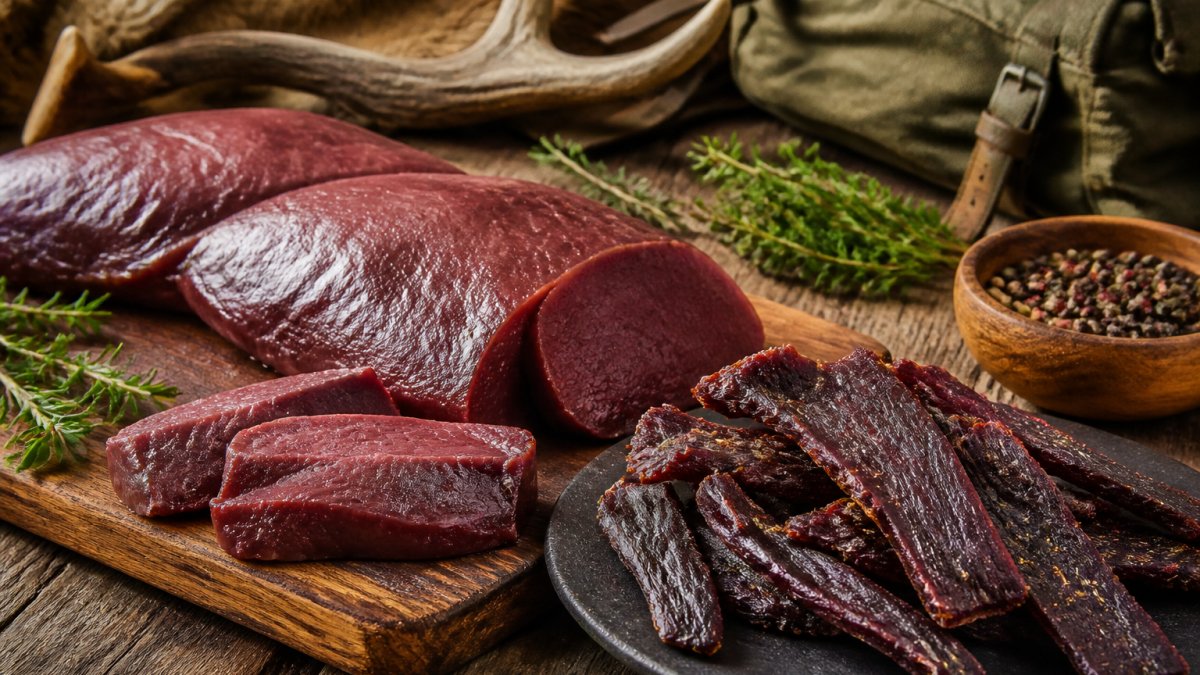
Consider grass-fed beef jerky and carnivore chips as an alternative. These products concentrate protein into shelf-stable, portable formats that often cost less per pound of beef than fresh cuts. Premium jerky options made from grass-fed beef provide convenience without the cooking requirement.
Buy during sales. Grass-fed beef goes on sale seasonally, particularly in late summer and early fall. Stocking your freezer during sales periods can reduce your annual average cost significantly.
| Strategy | Savings Potential | Best For |
|---|---|---|
| Bulk/half animal purchases | 15-25% | Committed buyers with freezer space |
| Ground beef and lesser cuts | 20-40% | Budget-conscious meal planning |
| Jerky and shelf-stable products | 10-20% | Portable protein and snacking |
| Seasonal sales | 10-30% | Flexible shoppers |
Downsides of Grass-Fed Beef You Should Know
Grass-fed beef isn't perfect, and understanding its limitations helps you make an informed decision.
Leanness and Cooking Challenges
The lower fat content that makes grass-fed beef nutritionally attractive also makes it trickier to cook. Without the fat buffer of grain-fed beef, grass-fed cuts can become tough and dry if you overcook them even slightly.
Cooking grass-fed beef requires attention. Use lower heat, shorter cooking times, and a meat thermometer to hit your target doneness precisely. Many people find ground grass-fed beef works better in dishes with added fat, burgers with cheese, tacos with toppings, or dishes where you're adding oil or sauce.
Marinating helps. The acidity in a marinade can help tenderize lean meat. Slow-cooking tougher cuts like chuck roast works beautifully with grass-fed beef, since the long, moist heat breaks down connective tissue.
Availability and Consistency Issues
Grass-fed beef isn't available everywhere. If you don't live near a producer or specialty retailer, you're limited to mail-order options, which add shipping costs and time. Availability varies seasonally in some regions.
Consistency can be an issue too. Different producers have different standards. One grass-fed producer's beef might taste quite different from another's, depending on the specific grasses, supplements, and handling. If you find a source you like, consistency matters for repeat purchases.
Who Should Prioritize Grass-Fed Beef
Grass-fed beef makes the most sense for specific groups.
People concerned with animal welfare and environmental impact often prioritize grass-fed beef because pasture-based systems typically involve better animal living conditions and land management practices.
Health-conscious eaters who want to minimize fat intake while maximizing nutrient density find grass-fed beef valuable. The leaner profile and micronutrient advantage matter more if you're eating beef frequently.
Budget-conscious shoppers should approach grass-fed beef strategically. Buying ground beef, lesser cuts, or shelf-stable products like jerky makes grass-fed more accessible.
People who cook frequently and enjoy the challenge of working with leaner meat find grass-fed beef rewarding.
Making Your Decision: Ethically Sourced Protein for Your Lifestyle
The decision comes down to your priorities and budget. Grass-fed beef offers measurable nutritional advantages, it's leaner, contains a different fat profile, and has slightly higher micronutrient levels.
The production method reflects values that extend beyond nutrition. If you prioritize animal welfare and environmental stewardship, grass-fed beef from responsible producers aligns with those values.
The cost premium is real and significant.
Start with less expensive grass-fed options, ground beef, bulk purchases, or shelf-stable products, to test whether the difference is meaningful to you.
Watch out: don't assume all grass-fed labels are equally rigorous. Third-party certifications provide more assurance than producer claims alone.
At Makana Wild, we focus on sourcing beef that meets our standards for ethical production and nutritional quality.
Frequently Asked Questions
Is grass-fed beef actually healthier than grain-fed beef?
Grass-fed beef contains higher levels of omega-3 fatty acids, conjugated linoleic acid, and certain vitamins compared to grain-fed beef. However, the nutritional differences are modest. A serving of grass-fed beef provides measurable benefits for those prioritizing these nutrients, but the health advantage is marginal enough that diet quality overall matters more than the beef production method alone.
What's the difference between grass-fed and grass-finished beef?
Grass-fed means cattle ate grass for most of their lives, but may be finished on grain before slaughter. Grass-finished means cattle ate only grass and forage throughout their entire lives. Grass-finished beef typically has a higher omega-3 profile and lower total fat content. Check product labels or ask your supplier directly, as labeling standards vary and the terms are not always clearly regulated.
How much does grass-fed beef cost compared to conventional beef?
Grass-fed beef typically costs 2-3 times more per pound than conventional grain-fed beef, depending on the cut, region, and retailer. Specific pricing varies widely. Budget-conscious buyers can reduce costs by purchasing in bulk, choosing less-tender cuts suitable for slow cooking, buying ground beef instead of steaks, or sourcing directly from ranches or farmers markets rather than retail stores.
What are the main downsides of grass-fed beef?
Grass-fed beef is leaner, which makes it prone to drying out if cooked too quickly or at high temperatures. It requires slower cooking methods, lower heat, or marinating. Availability can be inconsistent, and you may have fewer options for specific cuts. The higher price is a barrier for many households. Some people also prefer the flavor profile of grain-fed beef.
The grass-fed beef conversation isn't really about whether one type is objectively better. It's about matching your beef choice to what matters most: budget, nutrition, cooking preferences, or values. Once you know your priorities, the decision becomes straightforward.