
Last Updated: November 8, 2026
Quick Summary
The best wild venison jerky snacks start with traceable sourcing, a short ingredient list, lean meat with real protein density, and texture that chews clean. Read the ingredient list over the front label, since a bag claiming wild but listing dextrose and sodium nitrite is telling two different stories. Compare price per gram of protein, not price per bag.
- Wild-harvested venison runs leaner and more variable than farmed venison, which runs fattier and more consistent.
- The Makana Wild Carnivore Chips are made with venison and Hawaiian Alaea sea salt and nothing else.
- Divide calories by protein grams to see how efficiently a snack delivers protein.
- Traditional jerky often carries 4 to 8 grams of sugar per serving from glazes.
- Keep sealed packages in a cool, dry, dark place below roughly 75°F.
Table of Contents
- What Separates the Best Wild Venison Jerky Snacks
- Comparing Wild Venison Jerky Snacks Side by Side
- Where to Find Venison Jerky for Sale
- Is Deer Jerky a Healthy Snack? Protein, Fat, and Ingredients
- Flavor, Texture, and Format: Matching the Snack to the Moment
- The Best Homemade Venison Snack Stick Recipe
- A Simple Venison Sticks Recipe for First-Timers
- Stocking Your Pantry with Wild Venison Snacks
- Frequently Asked Questions
What Separates the Best Wild Venison Jerky Snacks
The best wild venison jerky snacks start with meat you can trace, not a marketing claim.
Most shoppers judge jerky by flavor alone. That is the first mistake.
Flavor is easy to fake. Sugar, smoke flavoring, and heavy salt can make mediocre meat taste decent for about three chews.
Here is the short version of what matters:
- Traceable sourcing you can verify, not just a label that says "wild"
- A short ingredient list with no fillers or added preservatives
- Lean meat with real protein density per serving
Get those five right and the snack takes care of itself.
Wild-Harvested Versus Farmed: Reading the Label
Wild-harvested means the animal lived free and ate a natural diet. Farmed means it was raised in pens on managed feed.
Labels are where this gets slippery. "Wild" and "natural" are not interchangeable, and neither is tightly defined.
Watch out: a bag that says "wild" but lists "venison, water, dextrose, sodium nitrite, natural smoke flavor" is telling you two different stories. The ingredient list is the honest one.
For a deeper walkthrough of what to check before you trust a label, see our guide on how to verify wild venison sourcing before you buy.
Comparing Wild Venison Jerky Snacks Side by Side
Format matters more than most buyers expect. A thin chip, a chewy stick, and a dense meal bar serve completely different moments. The table below pairs each product with the figures that matter for comparison.
| Product | Price | Format | Calories | Carbs | Sugars | Best For |
|---|---|---|---|---|---|---|
| Makana Wild Carnivore Chips | $9.99 | Thin chips, 1 oz | 70 | 0 g | 0 g | Light, zero-carb snacking |
| Makana Wild Protein Bombs | $9.99 | Dense round bites | , | , | , | Post-workout protein hit |
| Makana Wild Ulu and Venison Bar | $6.99 | Meal bar | , | , | , | On-the-go meal replacement |
| Makana Wild Kalo and Uala Venison Bar | $6.99 | Meal bar | , | , | , | Shelf-stable pantry stock |
Price
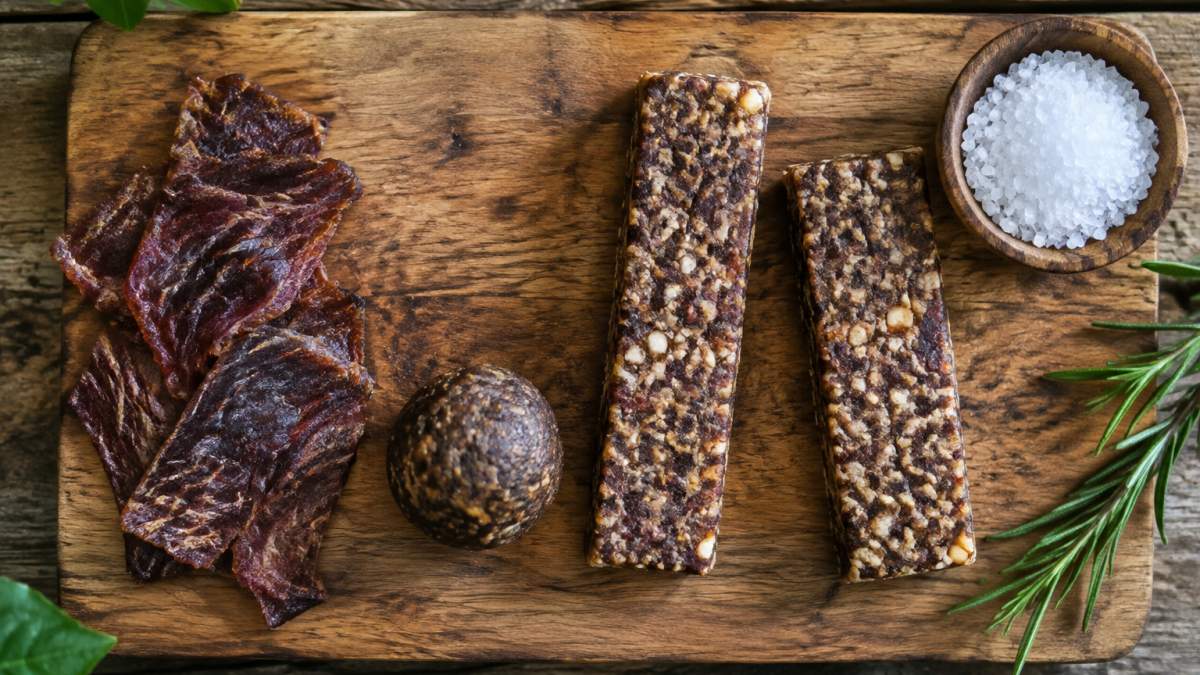
The Carnivore Chips are the purist option, made with venison and Hawaiian Alaea sea salt and nothing else. The Protein Bombs are a dense, high-protein bite.
Reading the Numbers Before You Buy
A side-by-side table is only useful if you know what to compare. Here is how to screen the figures on any wild venison snack.
- Protein per serving. Under 10 grams is a nibble, 10 to 15 grams is a solid snack, over 15 grams is real fuel, and over 30 grams competes with a protein shake.
- Calories per protein gram. Divide calories by protein grams to see how efficiently the snack delivers protein. The Carnivore Chips land at roughly 4 calories per protein gram, lean even by jerky standards.
- Fat. Wild venison is naturally lean, so a wild product should show low total fat. A high fat number usually signals added fat, farmed meat, or a formed product built to stay moist.
Ingredient and Allergen Screening
Ingredient lists separate wild venison snacks more sharply than any other factor. Run every product through the same screen:
- Meat first. Venison should be the first ingredient. If water, sugar, or a starch appears before the meat, the product is diluted.
- Added sugar. Look for dextrose, corn syrup solids, cane sugar, brown sugar, and honey. Any of these near the top means the product is sweetened, not just seasoned.
- Preservatives. Sodium nitrite, sodium erythorbate, potassium sorbate, and BHA are common in mass-market jerky. They are not required for a shelf-stable wild venison snack, so their presence tells you something about the process.
- Soy and gluten. Soy sauce, tamari, hydrolyzed soy protein, and wheat-based fillers are frequent in jerky marinades. If you avoid soy or gluten, read the allergen statement rather than the front of the bag.
- Smoke flavoring versus real smoke. 'Natural smoke flavor' is a liquid additive. 'Hickory smoked' describes an actual process.
A two-ingredient product like the Carnivore Chips passes this screen trivially. A meal bar with a longer list can still pass, but you need to read it rather than assume.
Matching Format to Use Case
The right format depends on where the snack will be eaten, not which one sounds healthiest.
- Hiking and trail days: thin chips and dense bites pack light and do not crumble. Bars with real-food carbohydrates hold up better on multi-hour outings.
- Travel and desk drawers: sealed chips and bars survive temperature swings better than soft sticks. Keep them out of a hot car.
- Lunchboxes: thin chips and small bites fit; full meal bars are often too much food for a child.
Watch out: a low price per ounce can reflect fillers or added water. Compare price per gram of protein, not price per bag.
Where to Find Venison Jerky for Sale
Buying venison jerky online is now the most reliable route, because you can read the full ingredient list, check sourcing claims, and compare formats before spending a dollar.
Here is how we would screen a seller:
- Does the product page name the harvest source in plain language?
- Is the full ingredient list visible without digging?
- Are nutrition facts listed per serving, including protein and sodium?
That last point matters. Plenty of meat sellers push monthly boxes. If you want to buy one bag and see how you feel about wild game flavor, you should be able to.
You can shop wild-harvested venison snacks directly if you want to skip the screening process.

Is Deer Jerky a Healthy Snack? Protein, Fat, and Ingredients
Deer jerky can be a sound snack when the ingredient list is short and the sodium is reasonable. It is a weaker choice when it is loaded with sugar, nitrites, and fillers.
Venison is generally a lean red meat, which is why wild venison jerky tends to be relatively low in fat compared with beef jerky.
Three things to check on any label:
- Protein per serving. Compare the figure against your own needs.
- Added sugar. If sugar or corn syrup sits near the top of the list, walk away.
- Preservatives and additives. Nitrites and long chemical chains are common in mass-market jerky and are not required for good jerky.
If you follow a paleo or carnivore-style diet, the two-ingredient chips fit cleanly. If you want the fuller nutrition and safety picture on wild venison, our breakdown of wild venison benefits for nutrition and cooking covers it in detail.
Flavor, Texture, and Format: Matching the Snack to the Moment
Wild venison flavor varies with the animal and the season. It is generally richer and gamier than beef, and good producers let that flavor come through rather than covering it with heavy smoke and sugar.
Lean venison muscle dries into a firm, fibrous chew. Thin-sliced chips snap and then dissolve, and dense bars sit heavier in the stomach.
Pair the format to the moment:
- Desk drawer, 3 p.m. slump: thin chips, zero carbs, no crash
- Post-lift or post-hike: Protein Bombs
- Multi-hour outing: a meal bar with real-food ingredients
If you want a protein-forward option in a denser format, the Makana Wild Protein Bombs are built for exactly that.

The Best Homemade Venison Snack Stick Recipe
Making your own venison sticks gives you total control over fat ratio, seasoning, and preservatives.
Total Time: about 6 hours, mostly hands-off Difficulty: Intermediate
What You'll Need:
- 3 lb ground venison
- 1 lb pork fat or beef fat
- Curing salt per package directions
Step 1: Chill everything. Keep meat and fat near freezing while you work.
Step 2: Grind and mix. Grind coarse, then mix in seasonings until the meat turns tacky.
Step 3: Stuff and rest. Stuff into casings and refrigerate overnight so the cure distributes evenly.
Step 5: Bloom and store. Chill quickly, let the color set, then refrigerate or freeze.
Watch out: skipping the curing salt or rushing the smoke stage is how people get sick. Follow tested ground-meat safety guidance from the USDA Food Safety and Inspection Service rather than a forum recipe.
A Simple Venison Sticks Recipe for First-Timers
First-timers should start with a small batch and skip the casing learning curve.
Mix 2 lb ground venison with 1 lb fat, 1 tbsp kosher salt, 1 tsp black pepper, 1 tsp garlic powder, and 1 tsp smoked paprika.
The lesson here is ratio, not recipe. Wild venison usually needs added fat to hold together. Get the fat ratio right and the seasoning matters less.
Stocking Your Pantry with Wild Venison Snacks
A stocked pantry should hold snacks that survive a power outage and still taste good in month six. Shelf-stable venison snacks can fit that brief, provided you store them properly and check each product's date code.
Shelf Life by Format
Shelf life varies by format and packaging, so check the date code on each product rather than assuming a category-wide number. As a working guide:
- Sealed thin chips and dry strips generally have a long unopened shelf life because low moisture slows spoilage.
- Sealed dense bites and protein bars can have a shorter window because added fats and binders are more perishable.
- Meal bars with real-food ingredients may have a shorter window than plain dried meat.
Treat the printed date as a guide, since storage conditions affect freshness.
Storing Sealed and Opened Packages
Keep sealed packages in a cool, dry, dark place. A pantry that stays below roughly 75°F is fine; a garage shelf that bakes in summer is not. Heat accelerates fat rancidity, and humidity softens texture and invites mold.
Once opened, the rules change:
- Dry chips and strips: reseal tightly, press out air, and eat within about a week. Refrigeration extends that but can introduce moisture each time you open the container.
- Dense bites and bars: wrap individually or keep in an airtight container and eat within a few days to a week. Refrigerate if your kitchen runs warm.
- Any product that smells rancid, feels sticky, or shows mold: discard it. Do not trim and eat around visible mold on a meat snack.
Watch out: a humid climate can shorten shelf life, so in damp conditions consider freezing sealed packages for long-term storage and thawing them in the refrigerator before opening.
Building a Three-Layer Starter Stock
We would build a starter stock in three layers: a few bags of chips for everyday snacking, a handful of meal bars for genuine meal backup, and a couple of higher-protein items for training days. The Makana Wild Ulu and Venison Bar is a sensible pantry anchor because it is shelf-stable and built as a meal replacement rather than a nibble.

Rotate the stock the way you would rotate any pantry: put new purchases behind older ones, write the date on the box if the package date is hard to read, and eat the oldest first.
Food Safety After Opening
Jerky is a preserved food, but preserved does not mean invincible. The USDA Food Safety and Inspection Service treats commercially dried meat snacks as shelf-stable when sealed, and the same guidance applies here: once a package is opened, treat it as a perishable food that has a short window.
For trail use, portion snacks into a separate bag before you leave rather than eating straight from the main package. That one habit keeps the rest of the bag clean and dry for the next outing.
Makana Wild's wild-harvested venison is part of conservation efforts to manage overpopulated deer herds that damage crops and island ecosystems.
Choosing wild venison snacks comes down to reading labels honestly and matching format to your actual day.
Frequently Asked Questions
Is deer jerky a healthy snack?
It can be, depending on the ingredient list. Venison is lean meat, so a plain jerky made from it delivers high protein with little fat. Makana Wild Carnivore Chips, for example, list only venison and Hawaiian Alaea sea salt, with 70 calories and 17 grams of protein per serving, zero carbs, and no nitrites added. Read the label for sugar, soy sauce, and preservatives, which are common in mass-market jerky and can push sodium and carbs up.
What should you look for when buying wild venison jerky?
Start with sourcing: the label should say wild-harvested and name where the deer came from, not just 'venison.' Then check the ingredient list for a short, recognizable set of items and note whether preservatives, MSG, or gluten appear. Compare protein and fat per serving, look at pack size against price, and read customer reviews for texture comments. A snack that is genuinely wild and clean-label will usually say so plainly on the package.
What is the difference between venison jerky and venison snack sticks?
Jerky is whole muscle meat that has been sliced thin, seasoned, and dried, so it has a chewier, fibrous texture. Snack sticks are ground venison mixed with seasoning and often pork fat, then stuffed into casings and smoked, which gives a softer, uniform bite. Both are high-protein options. Jerky tends to be leaner and lower in fat, while sticks usually carry more fat and a smokier flavor from the curing and smoking process.
Can you make venison jerky at home?
Yes. Slice lean venison against the grain about a quarter inch thick, marinate it in soy sauce, Worcestershire sauce, garlic, and pepper for 12 to 24 hours, then dry it at 160°F in a dehydrator or oven until it bends without snapping. Keep the meat refrigerated while marinating and store the finished jerky in an airtight container. Home preparation gives you control over sodium and lets you skip preservatives entirely.