
Quick Summary
A clean label protein snack is one with a short ingredient list of recognizable foods, a specifically named protein source, and no artificial preservatives or flavors. Shoppers should check the ingredient panel and the added sugar line rather than trusting front-of-pack claims like "all natural." The guide scores snacks on a five-point rubric across five criteria, for a total out of 25.
- Read the full ingredient list, since shorter is usually better but length alone does not decide it.
- Favor named protein sources such as venison or bison over vague terms like protein blend.
- Check the added sugars line on the Nutrition Facts panel and compare it across products.
- Score each snack on the five-point rubric, where a total above 20 points signals a short, whole-ingredient formula.
- Confirm allergen risk with the brand, since a "may contain" statement signals shared-equipment risk.
Table of Contents
- What Clean Label Means for Protein Snacks in 2026
- Our Scoring Rubric for Clean-Label Protein Snacks
- Makana Wild Venison Products Compared: Chips, Protein Bombs and Bars
- Clean Ingredient Jerky and Paleo Protein Snacks
- Best Paleo Protein Snacks for Active Days
- Price Per Serving and Allergen Considerations
- Choosing Your Clean Label Protein Snack This Year
- Frequently Asked Questions
What Clean Label Means for Protein Snacks in 2026
Last Updated: November 12, 2026
A clean label protein snack is one whose ingredient list reads like a kitchen pantry rather than a chemistry set. For shoppers in the United States, the phrase usually means a short list of recognizable foods, no artificial preservatives or flavors, and a protein source that is named specifically. Makana Wild builds its snacks around that idea, and this guide explains how to judge clean label protein snacks in 2026 so you can compare them on evidence rather than packaging.
Start with the ingredient list. Shorter is usually better, but length alone does not settle the question. A product made from meat and sea salt is simple. A product made from a long list of isolates, gums and sweeteners can still claim "natural" on the front. Read every line, and ask what each ingredient does in the recipe.
Protein source matters as much as the number of ingredients. Named sources such as venison, bison or beef tell you what you are eating. Vague terms such as "protein blend" tell you very little. Plant proteins like pea protein can be clean in some formulas, but they change the texture, fiber content and amino acid profile, so check the label rather than assuming.
Sugar is the next checkpoint. Many protein bars rely on added sugar, syrups or sugar alcohols to taste good. A snack can carry a high protein count and still be sweeter than you expect. Look at the added sugars line on the Nutrition Facts panel, which the FDA requires on U.S. labels, and compare it across products (the FDA).
Certifications help, but they are not a substitute for reading the label. Third-party programs such as Clean Label Project publish testing criteria, and you can check a brand's certifications directly on its site. Treat a certification as one data point alongside the ingredient list.
Common mistake: shoppers often judge a snack by the front-of-pack claim. Words like "all natural" and "wholesome" have no fixed legal meaning on food packaging, so the ingredient panel and nutrition facts are the reliable parts of the label.
Our Scoring Rubric for Clean-Label Protein Snacks
Ranking snacks by feel is easy and unreliable. We use a simple rubric so you can repeat the same checks on any product. Each category is scored from 1 to 5, and the scores are added for a total out of 25.
| Criterion | What to check | Score 5 looks like |
|---|---|---|
| Ingredient count | Number of ingredients on the panel | Two to four recognizable foods |
| Protein source | Is the protein named and whole? | Named meat or whole food, no isolates |
| Added sugar | Grams of added sugar per serving | 0 g added sugar |
| Additives | Preservatives, gums, artificial flavors | None listed |
| Dietary fit | Keto, paleo, gluten-free, soy-free labels | Clear, verifiable claims |
Score each product, then compare totals. A total above 20 points usually signals a snack built from few, whole ingredients. A total below 12 suggests the snack is clean in marketing more than in formulation. The rubric does not replace testing, but it gives you a consistent starting point.
Makana Wild Venison Products Compared: Chips, Protein Bombs and Bars
Makana Wild sells several venison-based products, and each one serves a different need. Its formulas are built around Hawaii wild harvested venison and Hawaiian Alaea sea salt, with a short ingredient list. Here is how the main options compare for an active shopper.
Makana Wild Carnivore Chips (Hawaii Venison and Lakota Bison)
The Carnivore Chips contain two ingredients in the Hawaii venison version: venison and Hawaiian Alaea sea salt. The Lakota bison version is sold as a 1 oz single-serve bag at $9.99.
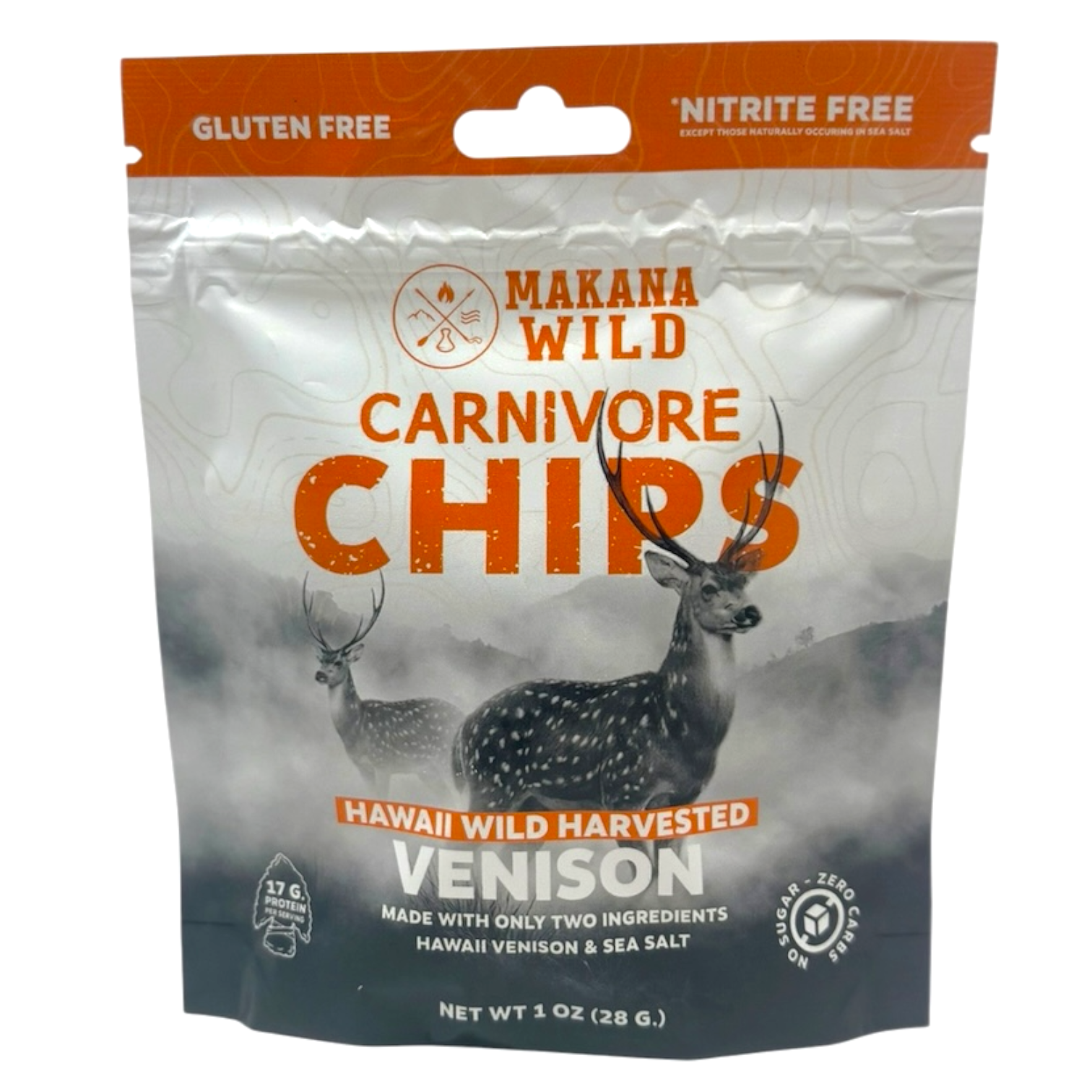
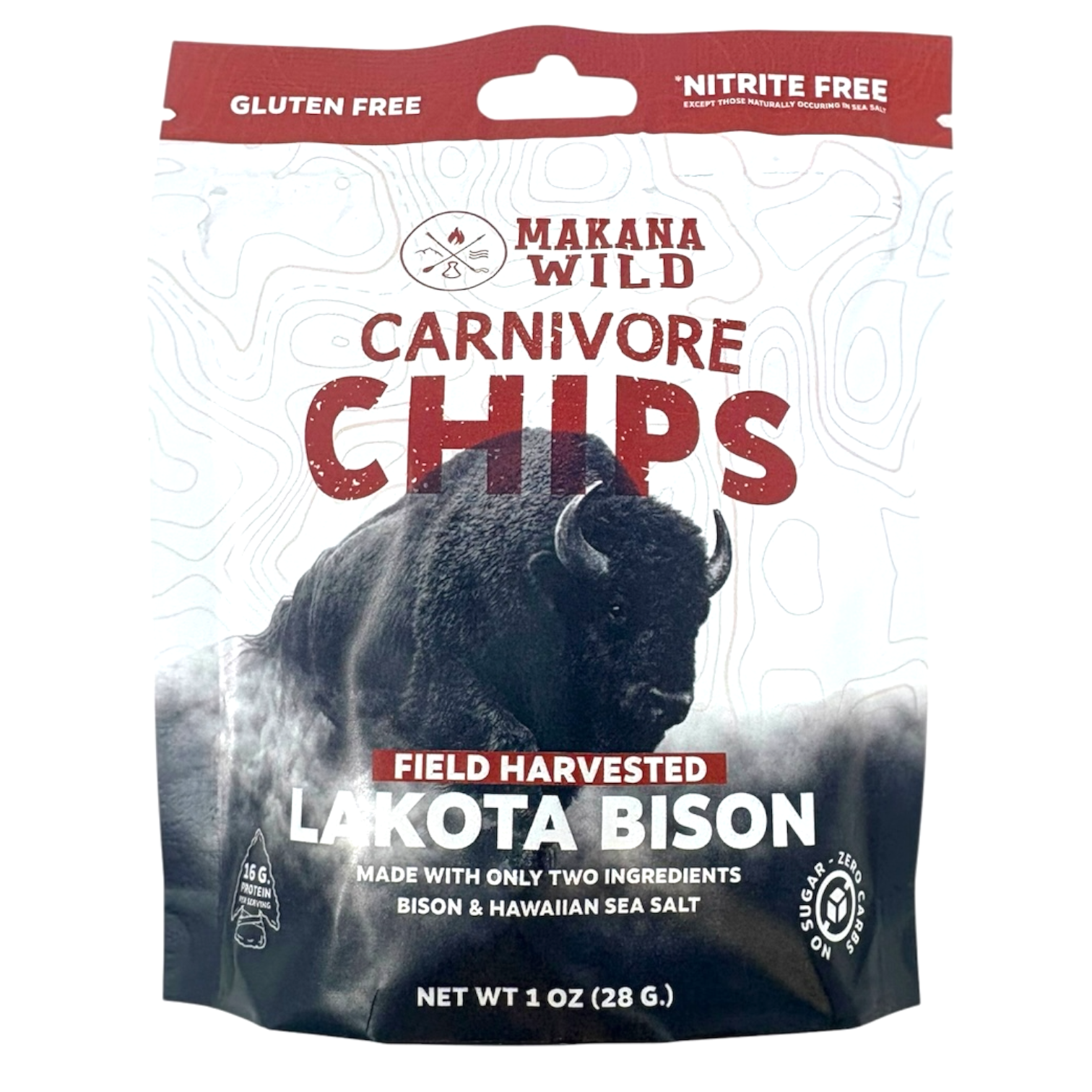
Pros: The Hawaii venison version's ingredient list is about as short as a snack can get. The 1 oz bag fits a gym bag or day pack.
Cons: At $9.99 for a single 1 oz bag, the price per gram of protein is high compared with bulk jerky. The chips are also a savory, meat-only option, so they do not replace a snack with carbohydrates.
Best for: Shoppers who want a portable, meat-only protein snack.
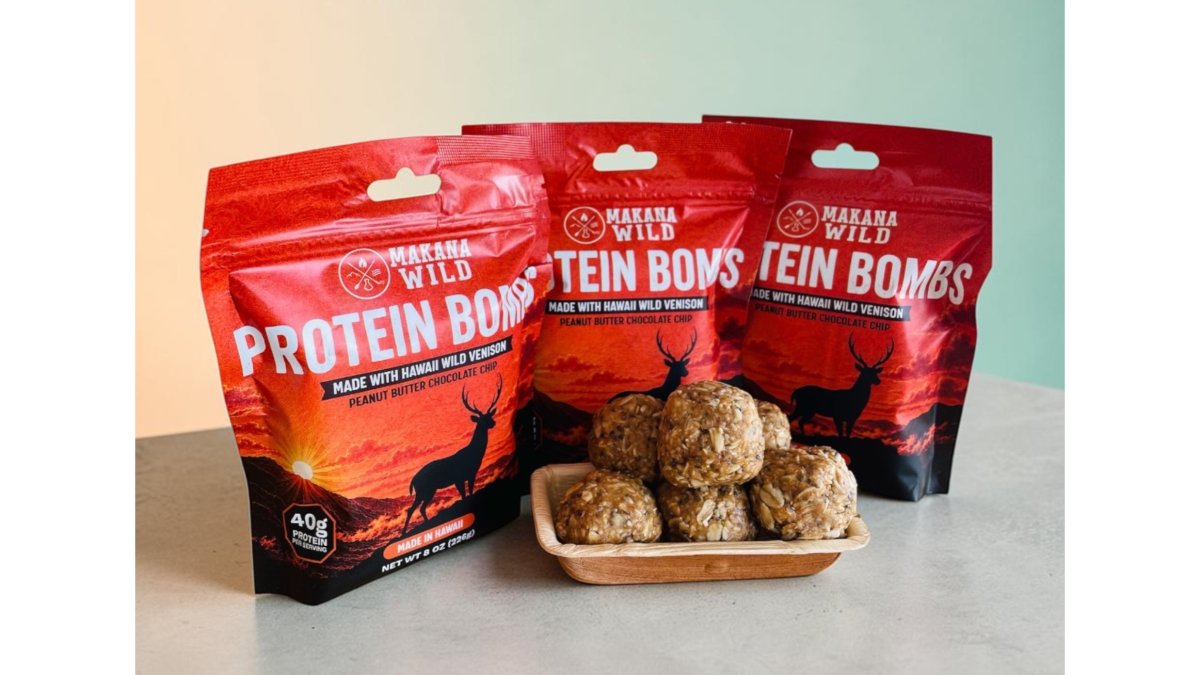
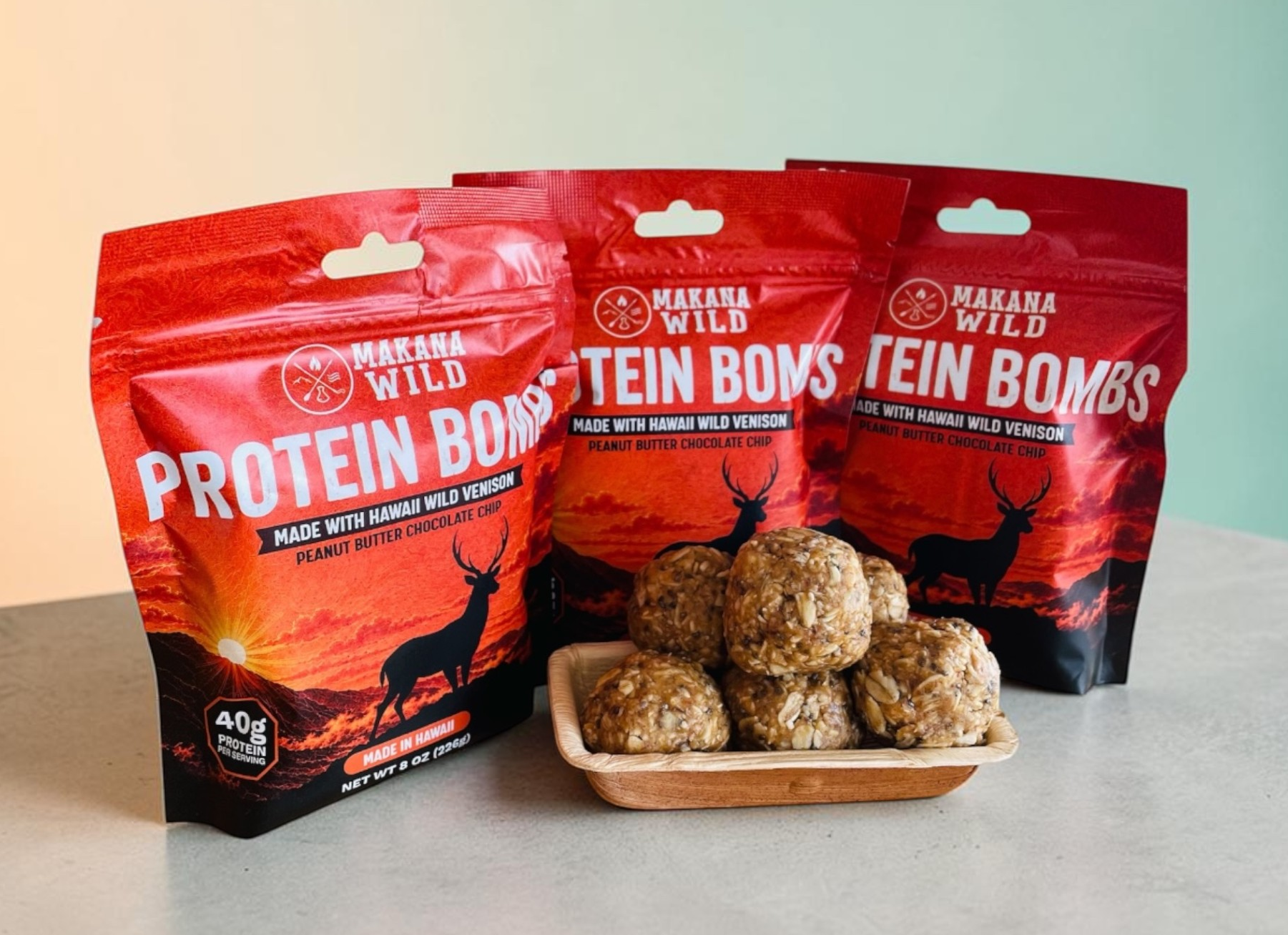
Makana Wild Protein Bombs and Meal Bars
The Protein Bombs are priced at $9.99 and are listed with 40 grams of protein per serving. Their ingredients include oatmeal, venison, peanut butter, honey, chocolate chips, cinnamon, vanilla and Hawaiian Alaea sea salt. The ULU and Kalo bars are priced at $5.99 and $6.99 and use similar simple ingredient lists.
Pros: The ingredient list is short and fully named.
Cons: Honey and chocolate chips are listed as ingredients, so these products contain sweeteners beyond the meat or grain base.
Best for: Shoppers who want a snack with a short, named ingredient list.
Clean Ingredient Jerky and Paleo Protein Snacks
Jerky is the classic clean-label protein snack because the ingredient list can be as short as meat, salt and spices. But jerky is also where clean-label claims get tested hardest, because marinades, cures and flavorings can quietly add sugar, soy, gluten and nitrates. A 2026 shopper should read a jerky label in a fixed order so nothing slips past.
Start with the meat line. A named source such as beef, venison, bison or turkey tells you what you are eating; a generic "meat" or "protein blend" does not. Next, check the cure. Traditional jerky often uses sodium nitrite or celery powder (a natural nitrate source).
Then check the marinade. Soy sauce is the most common hidden allergen in jerky: it adds soy and, in most formulations, wheat, so a jerky that looks paleo can fail on both counts. Coconut aminos are the common paleo swap.
Finally, check for fillers and flavorings. Clean-label jerky typically lists no more than five to seven ingredients. Red flags include hydrolyzed vegetable protein, autolyzed yeast extract, maltodextrin, smoke flavoring (as opposed to actual smoke), and "spices" used to hide a proprietary blend. None of these are unsafe, but each one moves the product away from the pantry-short list a clean-label shopper is looking for.
Paleo eaters should also look beyond jerky. Roasted legumes such as chickpeas and lentils are clean-label friendly but not paleo, because legumes are excluded. Meat-based bites, venison sticks and dried meat chips fit paleo when the ingredient list stays short. Plant-based paleo snacks usually lean on nuts, seeds and coconut, so check for added seed oils and cane sugar, which are common in that format.
Shelf life varies with moisture content and packaging. Most jerky is shelf-stable at room temperature, but dried meat snacks with higher moisture, including some meat chips, are best stored in a cool, dry place and eaten within the window printed on the package. Watch out: a vacuum-sealed bag that has lost its seal or shows condensation should be discarded, because dried meat is not a low-risk food once moisture gets in.
Best Paleo Protein Snacks for Active Days
For active days, match the snack to the activity. A short workout or a commute calls for a single-serve chip or jerky stick. A long hike or a full day outdoors calls for a bar that carries more calories. Both formats can fit a paleo pattern when the ingredient list stays short.
Pack two different textures, a dry protein such as chips and a denser bar, so you do not get tired of one format. Keep the packaging intact until you eat, since a damaged seal shortens the usable window.
Price Per Serving and Allergen Considerations
Price per serving is the number that matters for a weekly budget, but price per gram of protein is the number that lets you compare a $9.99 single-serve bag against a $5.99 bar honestly. Divide the price by the grams of protein per serving to get a cost-per-gram figure, then compare that across formats. Bulk jerky bought by the pound usually comes in well below either figure per gram, which is why serious snackers often keep one premium single-serve option and one bulk option in rotation.
Use-case matters as much as the math. A post-workout snack should be judged on protein per dollar and protein per calorie. A travel or desk-drawer snack should be judged on shelf stability and packaging. A low-sugar snack should be judged on added sugar first, then price. Organizing picks by need, travel, post-workout, low sugar, plant-based, is more useful than a single overall ranking, because the best snack for a hike is rarely the best snack for a commute.
Allergens need separate attention, and this is where most clean-label guides stop too early. The FDA requires the nine major allergens, milk, eggs, fish, crustacean shellfish, tree nuts, peanuts, wheat, soybeans and sesame, to be declared in plain language in the ingredient list or in a "Contains" statement (the FDA). Sesame is the newest addition, so older packaging may not list it.
For a serious allergy, the voluntary statement is not enough on its own. Shared facilities and shared lines are common in the snack industry, and a brand that runs peanut butter on the same line as a meat snack may carry trace risk even when peanuts are not an ingredient. The practical step is to contact the company directly and ask two questions: whether the product is run on a dedicated line, and whether the facility handles the allergen in question.
Watch out: a product labeled "gluten-free" is not automatically safe for someone with a wheat allergy or celiac disease if it is made on shared equipment with wheat; the FDA's gluten-free rule covers gluten, not cross-contact with every allergen. When in doubt, call the brand and ask for the allergen control statement in writing.
Choosing Your Clean Label Protein Snack This Year
Use the rubric first, then match the product to your routine. Start with a short ingredient list and a named protein. Check the sugar line. Then decide whether you want a zero-sugar chip for a keto day or a denser bar for a hike.
Makana Wild's Carnivore Chips list two ingredients in the Hawaii venison version. Its bars are listed with simple ingredients. Compare the options on the rubric, pick the one that fits your week, and reorder what works.
Frequently Asked Questions
What is the cleanest protein snack?
The cleanest protein snacks have short ingredient lists you can recognize, such as a single meat and a salt. Makana Wild Carnivore Chips list only venison and Hawaiian Alaea sea salt, at $9.99 for a 1 oz bag. Check that the label names each ingredient plainly, lists no added sugar, and states the protein per serving so you can judge the snack on its ingredients rather than marketing language.
How can you tell whether a protein snack has a clean label?
Start with the ingredient list. A clean label usually has few ingredients, no artificial sweeteners or preservatives, and sugars that are either absent or clearly named. Compare the grams of protein with the calories and total carbohydrates. Look for third-party certifications such as Clean Label Project certified snacks, and treat unverified words like natural or wholesome as marketing until the ingredients back them up.
Are protein bars with artificial sweeteners considered clean label?
Most clean label standards treat artificial sweeteners as a red flag, because they add ingredients that are not whole foods. Clean label protein bars typically rely on dates, honey, nut butter or seeds for sweetness. Makana Wild Protein Bombs and Meal Bars use honey, peanut butter and cinnamon, and each lists its full ingredient set, so you can check it against your own standard before buying.
Is jerky a good clean-label protein snack?
Jerky can be a strong clean label option when the ingredient list is short. Many commercial jerkies add sugar, soy sauce, and nitrates or nitrites, so read the label closely. Makana Wild Carnivore Chips contain only venison and Hawaiian Alaea sea salt.